

2021 Development Seminar
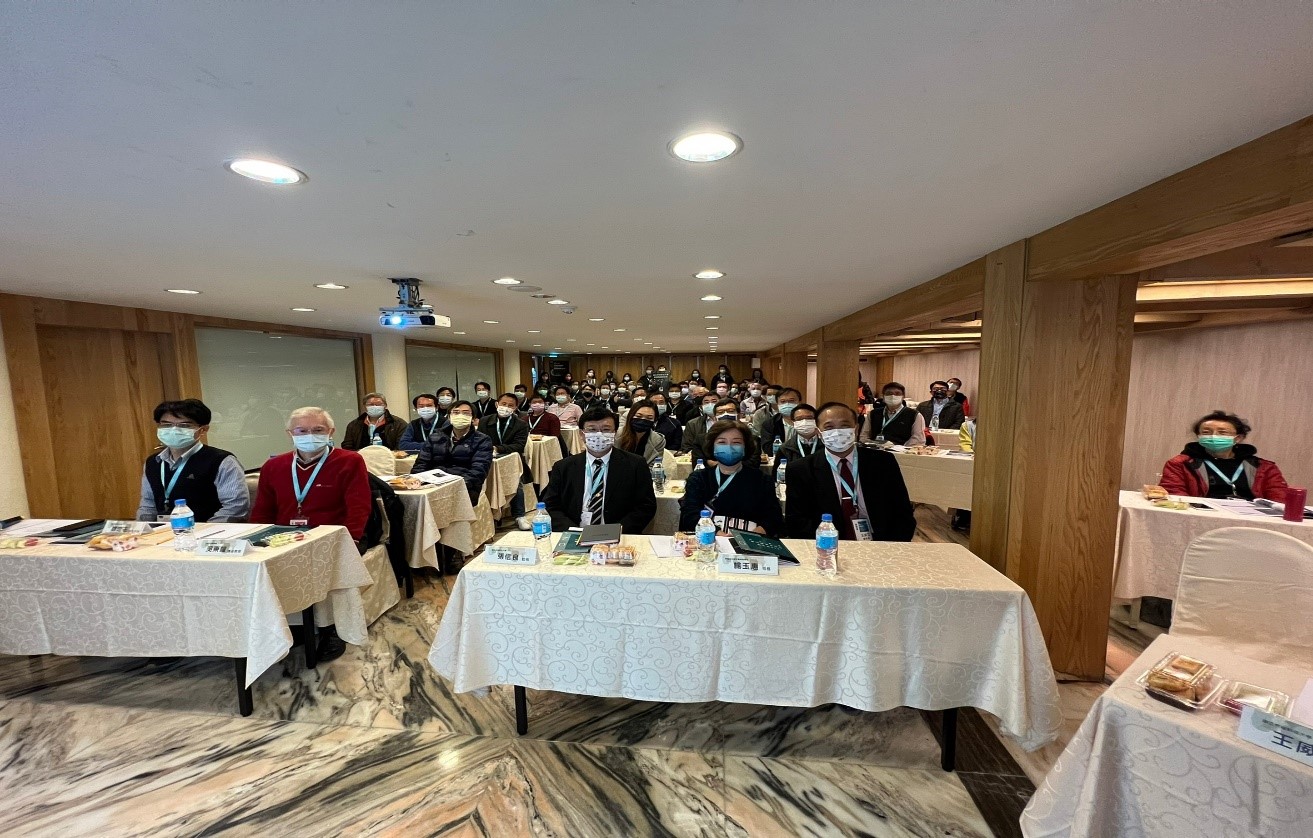
The 110th Academic Year University Development Seminar of our school, themed "Fulfilling Social Responsibility, Shaping a Smart Campus," was led by the President and invited highly experienced administrative experts to give lectures, providing insightful speeches and exchanges for our colleagues. The event was successfully held from January 11 to 12, 111 at Sun Moon Lake, Nantou.
|
|
|
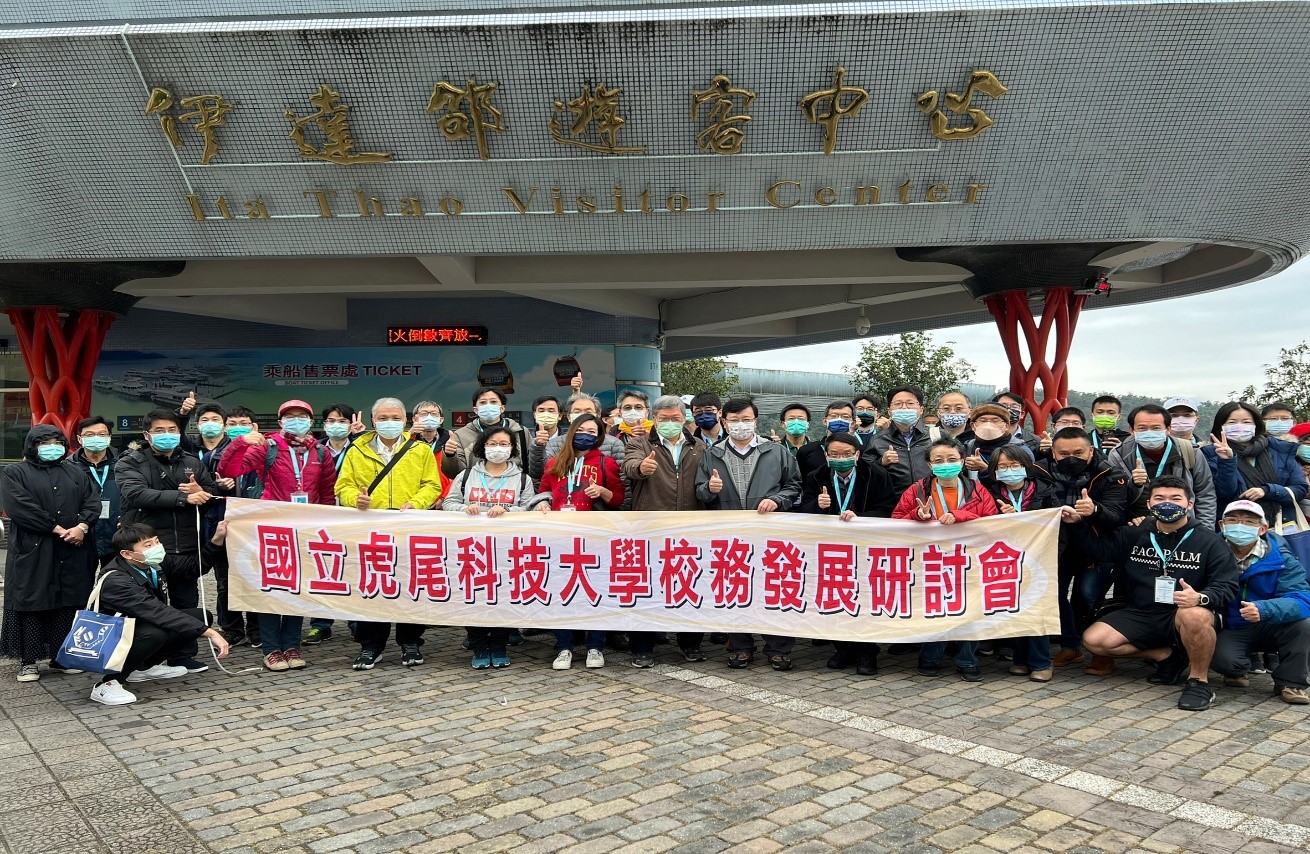
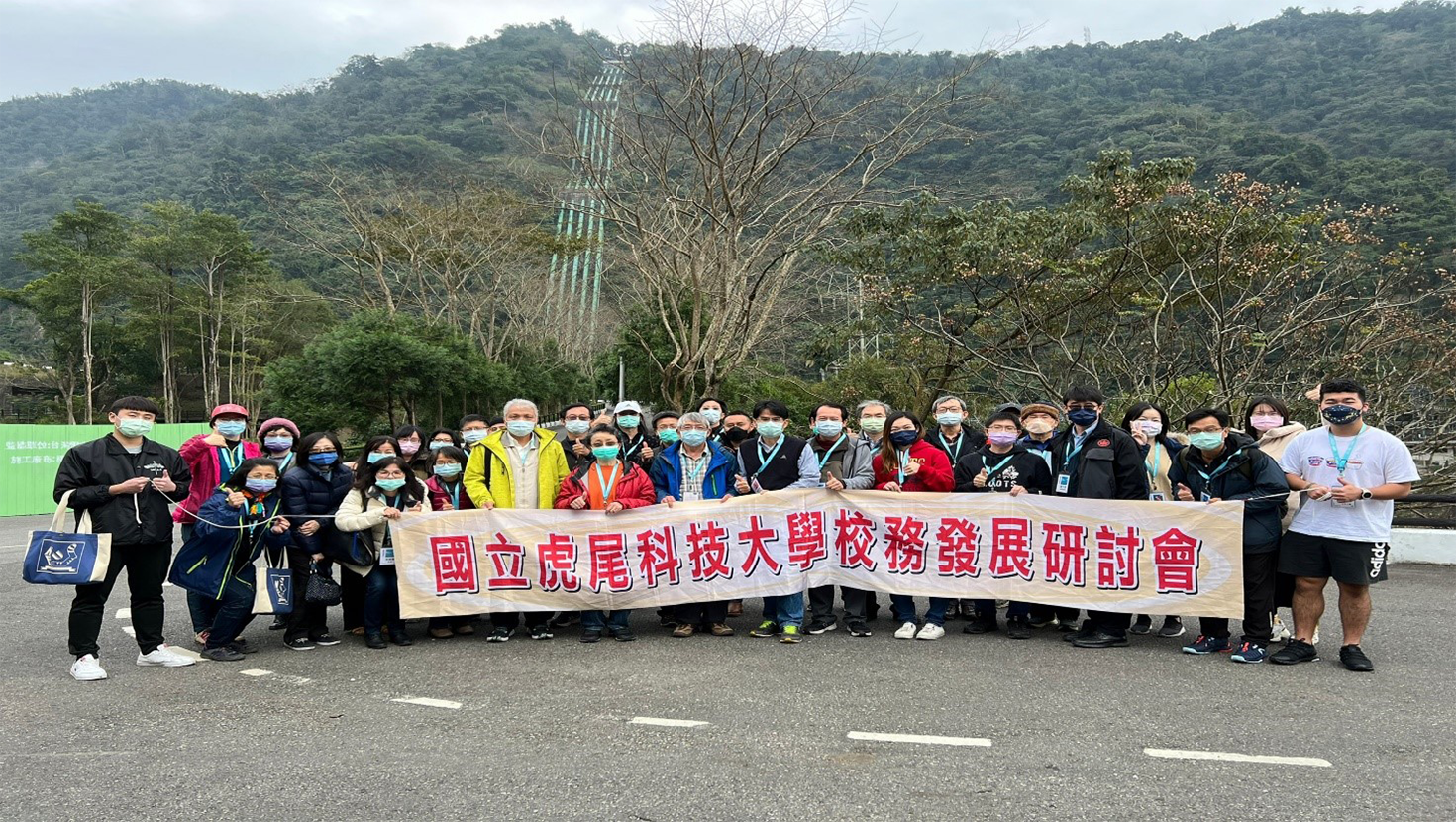
Group Photo |
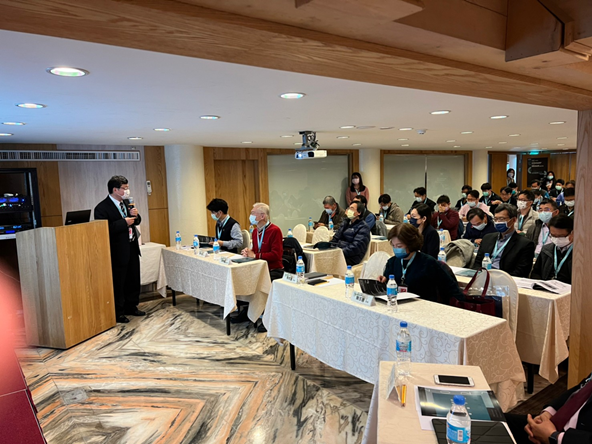
The first lecture was given by our President, Shinn-Liang Chang, on the theme "Smart Campus and Future Development Strategies." He approached the topic from multiple perspectives: i – innovative thinking, B – basic characteristics, e – environment construction, s – students, and t – teachers, highlighting that in the face of Taiwan's rapid digital development, cultivating talents with both computational and design thinking skills across science, humanities, and arts is a consensus requirement for 21st-century talent. Such talents are indispensable for those of us at the forefront of education.
|
President Shinn-Liang Chang delivering the lecture |
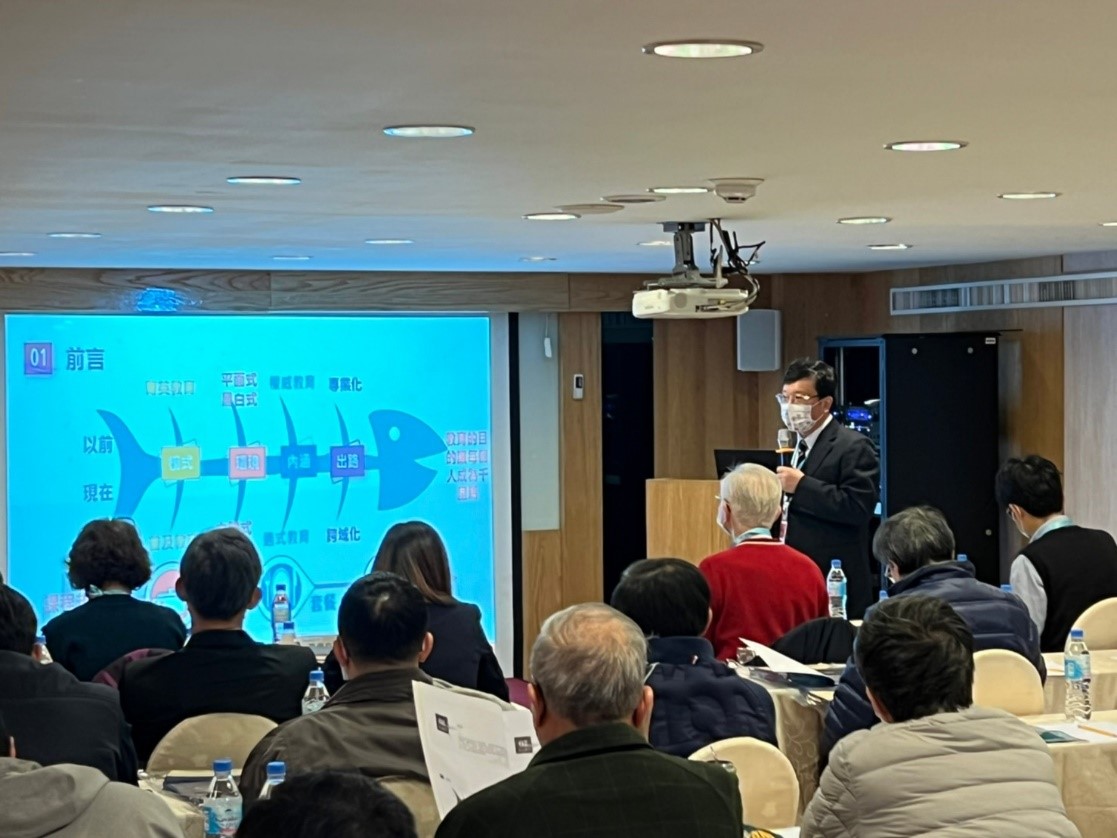
The President introduced the AI Smart Campus, explaining its main features, eight key technologies, overall structure, and application systems, supplemented by case studies of AI smart campus implementation. He proposed the concept of "i-Best Innovative Industry-Academia Campus," promoting "Smart Campus, Smart Learning." By embracing digital transformation thinking, the initiative aims to enhance the career adaptability of faculty, staff, and students, innovate curriculum systems, refine school development strategies, align with societal trends, and enhance public service efficiency. It emphasizes developing core school specialties, producing industry-oriented training materials, standardizing employment competencies, creating mechanisms to strengthen campus teams, supporting industrial upgrading, improving campus administration, expanding international exchanges, establishing the NTUT brand, and fulfilling university social responsibility. Additionally, it promotes the optimization of campus hardware and software infrastructure, constructing smart campus environments, industry-oriented teaching environments, and innovation bases resembling industrial clusters, leveraging the High-Speed Rail campus advantage to enhance collaboration opportunities between industry, government, academia, and research. The initiative also emphasizes learning and employment guidance, promoting an arts and cultural campus with convenient living circles, practicing holistic education, supporting students from disadvantaged economic and cultural backgrounds, fostering alumni engagement, setting student learning benchmarks, cultivating the next generation, and offering multiple channels of teacher career development. Faculty are encouraged to participate in industry-academia-research teams and pursue national key development projects, promoting practical cross-campus and international collaboration. Finally, he reminded colleagues that the faster technology advances, the more essential humanistic care becomes, and that smart campus development must be human-centered, focusing on education, life, and learning.
|
President Shinn-Liang Chang delivering the lecture |
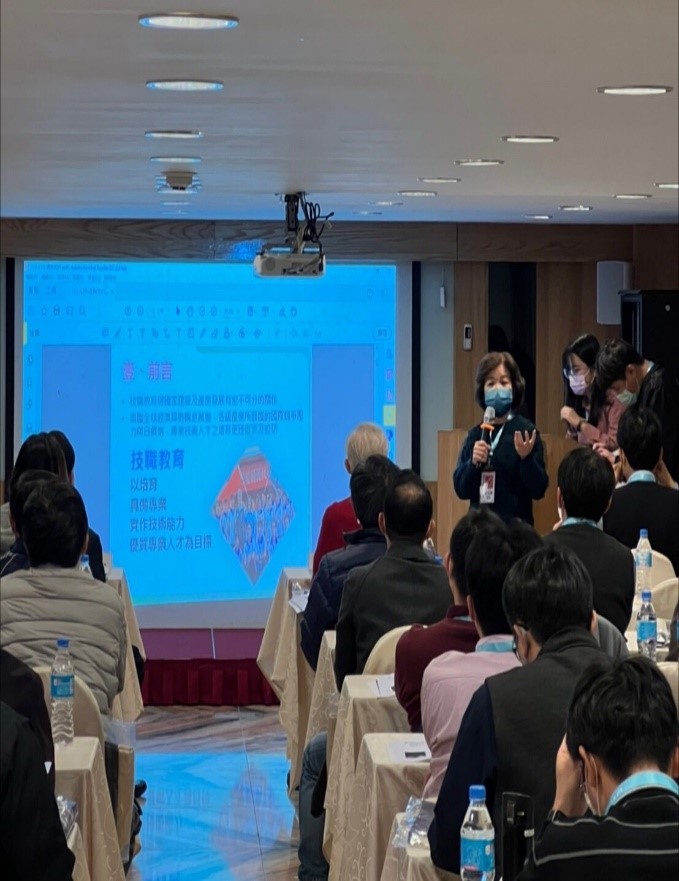
The second lecture was delivered by Director Yang Yu-Hui of the Department of Technical and Vocational Education, Ministry of Education, on the theme "Current Status and Future Development of Technical and Vocational Education." She explained the importance and urgency of cultivating professional technical talent in response to the rapidly changing global economic landscape and increasing international competition faced by industries at all levels.
Director Yang first described the characteristics and development of technical and vocational education: it is closely linked to economic development, has a complete system and well-established structure to meet academic and employment needs, is guided by technical and vocational laws and policy frameworks, fosters practical talents through close industry-academia cooperation, and cultivates professional competence via practical courses, certifications, and hands-on experience. She also introduced major policies in technical and vocational education:
- Higher Education Deep Cultivation Plan: guides schools to develop diverse characteristics; University Social Responsibility (USR) plan: guides universities to be human-centered, address local needs, and practice social responsibility through humanities care and problem-solving.
- Optimizing practical environments in technical and vocational institutions: supporting the government's 5+2 industrial policy, investing in teaching equipment and practice venues, cultivating technical talents with cross-disciplinary skills aligned with international industry development trends.
- Aligning technical and vocational departments with industry needs.
- Admissions and talent selection in technical and vocational institutions, connecting students' learning trajectories.
- Universities collaborating with rural high schools to improve curricula and implement the 108 Curriculum Guidelines.
- Strengthening teachers' practical experience and implementing hands-on teaching.
- Improving off-campus internship mechanisms and protecting interns' rights.
- Industry-academia collaboration for tailored talent cultivation.
- Special classes for New Southbound technical and vocational talents.
- Open universities.
- Youth Education and Employment Savings Account program.
Director Yang also pointed out challenges in technical and vocational education, such as responding to declining birth rates, assisting schools in withdrawal and transformation, continuously improving education quality, and encouraging colleagues to continue efforts in talent cultivation, technological research, and industry-academia exchanges.
|
Director Yang Yu-Hui delivering the lecture |
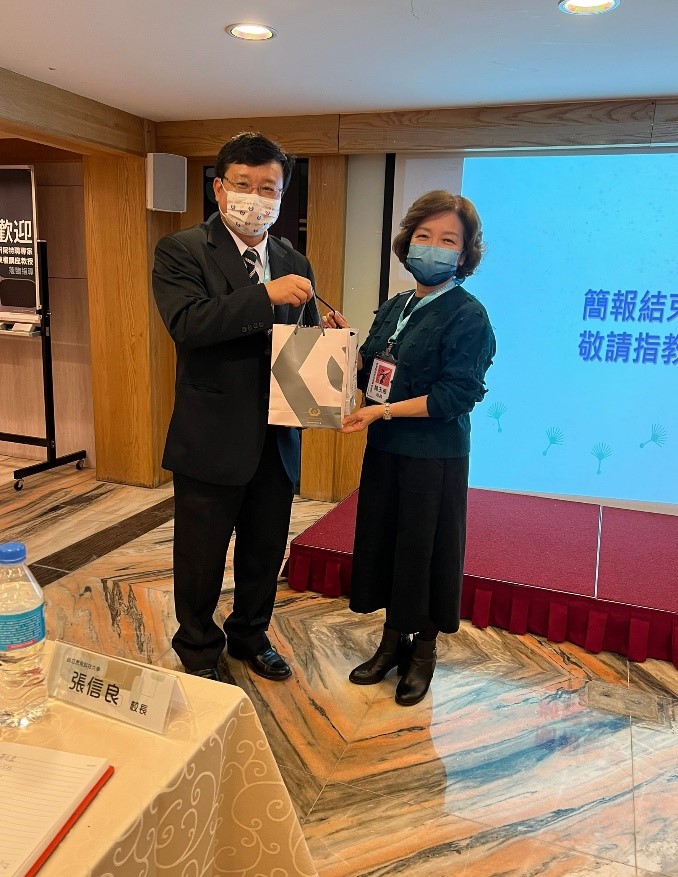
Presenting a commemorative gift to Director Yang Yu-Hui |
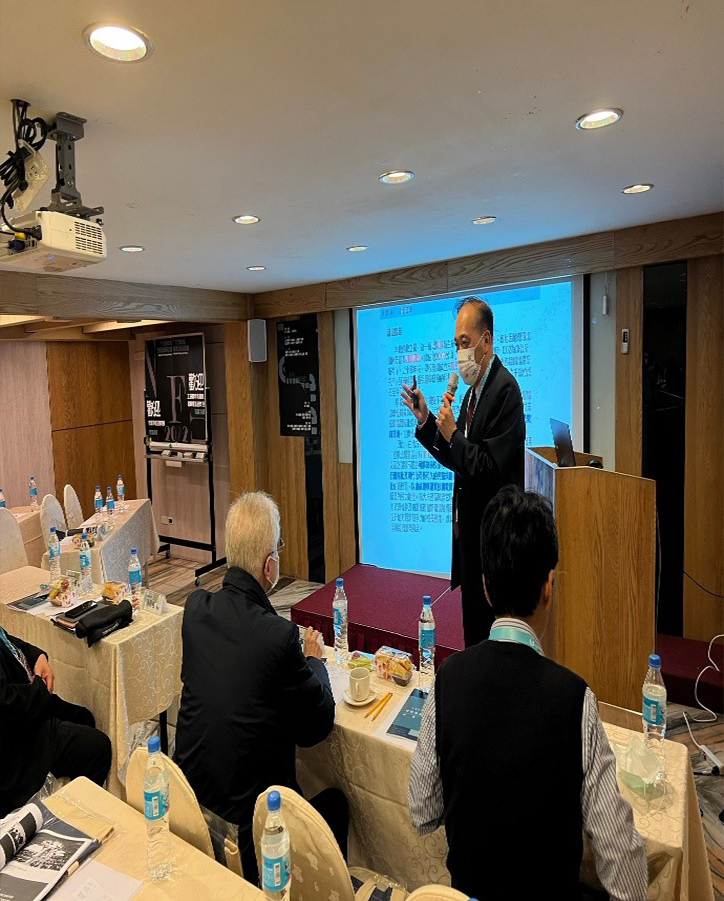
The third lecture was delivered by our Director of General Affairs, Wang Wei-Li, on the theme "Planning of the National Formosa University High-Speed Rail Campus, Xingzhong Branch." He explained that the development of the High-Speed Rail campus not only addresses the limitations of the original campus size and building congestion but also provides a long-term internationalized and modernized planning and improvement for the entire campus. This development enables the creation of an internationally-oriented and modern new campus, achieving an ideal environment for quality technical and vocational education. Additionally, it enhances the school’s industry-academia collaboration, promotes regional cooperation among industry, government, academia, and research, accelerates the aggregation of talent and knowledge-based innovation, creates a foundation for an innovative environment, and boosts regional economic competitiveness to accelerate the transformation and prosperity of Yunlin's economy.
 |
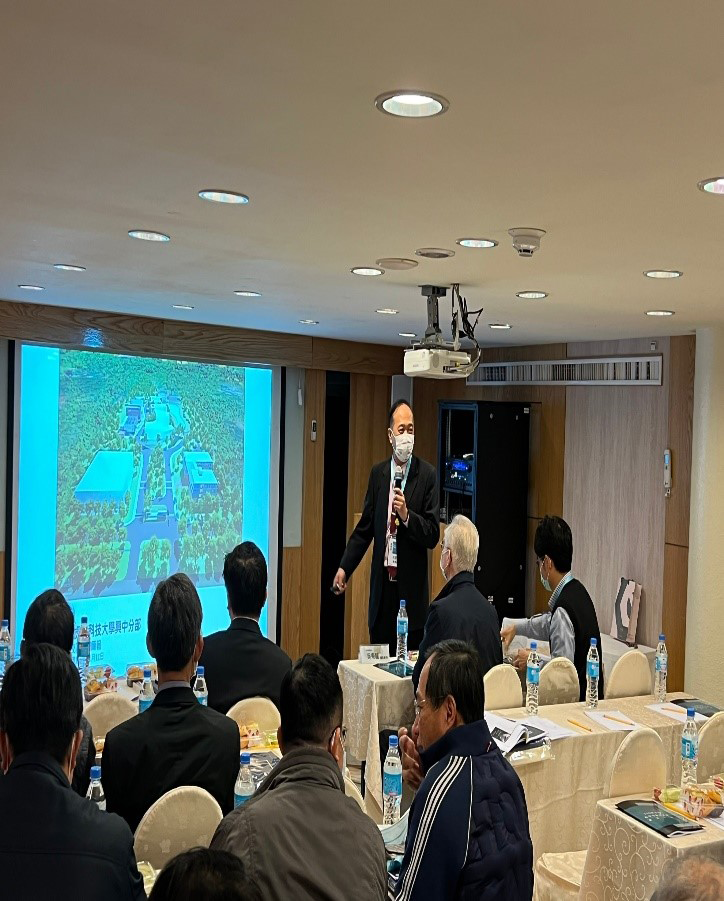 |
| Director Wang Wei-Li delivering the lecture | |
The Director explained the current status of the first phase of construction, design overview, the student dormitory second-phase project progress, reasons and differences for adjustments, and the adjustment plan. Expected benefits of the first phase include improving teaching and research quality, promoting internationalization, enhancing regional knowledge economy, boosting human resources and local economic growth, maximizing industrial cluster effects of Central Taiwan Science Park, and increasing land utilization value near Yunlin High-Speed Rail Station. Expected benefits of the second-phase student dormitory include: 1. Coordinated public construction planning for future campus facilities and living functions. 2. Modern teaching areas for laboratories to improve student learning outcomes, initially accommodating freshmen from engineering fields to strengthen theory and practice and develop teamwork. 3. Completion of three practical training buildings and one international industry-academia cooperation building; if approved, the new dormitory meets student accommodation needs and prevents commuting accidents. 4. Accelerates improvement of campus environment and infrastructure, providing complete living functions for staff and students. 5. Enhances regional economic internationalization, promoting cultural exchange and business service quality.
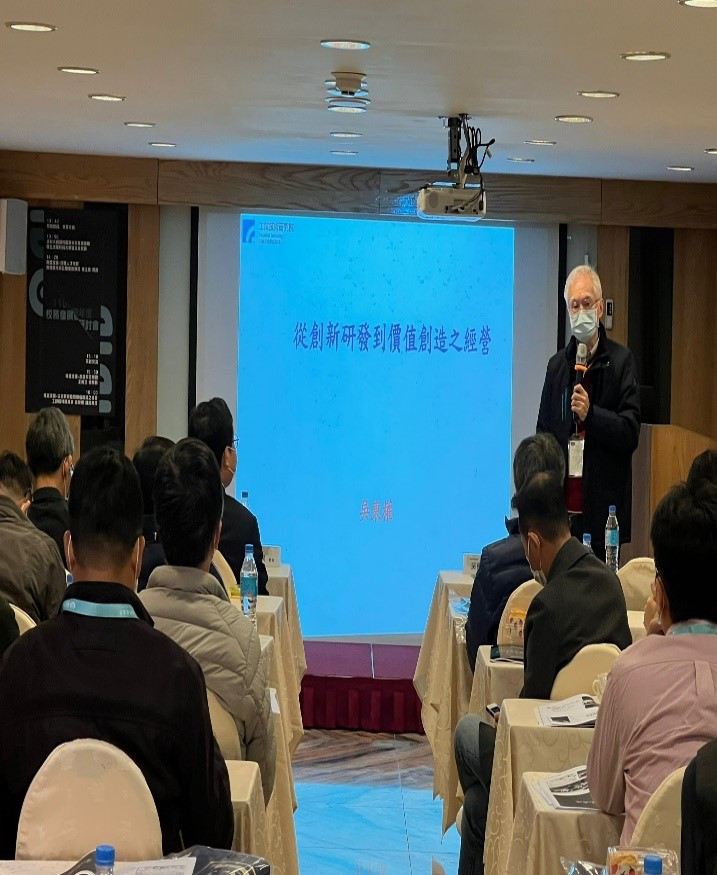
The fourth lecture was delivered by former Vice President of ITRI and currently Distinguished Expert at ITRI and Adjunct Professor at Kun Shan University, Wu Dong-Quan, on the theme "From Innovative R&D to Value Creation Management." Drawing from his seven-and-a-half years as Director of ITRI’s Mechanical Research Division, he discussed innovative R&D planning and strategy layout, exploration of innovation content, altruistic thinking for innovative culture, and value creation demonstration. He emphasized that leaders must do the right things, managers must do things right, highlighted four key development focuses and three directions (intelligent, precise, and green energy), advocated cross-domain collaboration and forward-looking innovative R&D, and emphasized strengthening communication among industry, government, and academia. He also explained the essence of innovation, competitive advantages of weapon innovation, and how innovation is generated.
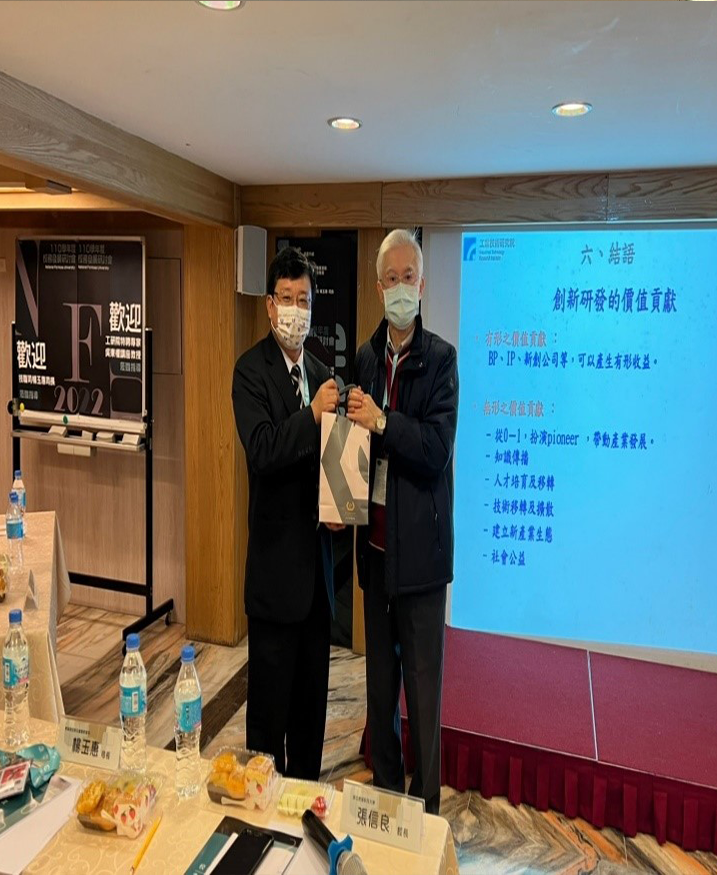
Professor Wu highlighted the importance of strengthening core innovation capabilities, cultivating innovative talent, and initiating flexible human-centered management. He elaborated on how awards reflect value creation, the process and methods of value creation, key success factors, and shared tangible and intangible contributions of innovative R&D.
|
Professor Wu Dong-Quan delivering the lecture |
Presenting a commemorative gift to Professor Wu Dong-Quan |
【Panel Discussion】
Q1: How does ITRI Mechanical Research Division resolve overlapping work and client issues among different groups?
A1: Decisions are made by supervisors. Each group has different core capabilities and clear positioning, minimizing overlap. Major projects should be identified at the initial stage and addressed early to avoid significant losses.
Q2: In past R&D experiences, which ITRI divisions are most frequently collaborated with (cross-unit and cross-domain collaboration)?
A2: Collaboration was frequent with the Material and Chemical Research Division, using a three-in-one strategy: new materials require new processes and equipment; combining the three yields results, while working on just one faces fewer obstacles. For intelligence-related R&D, collaboration was with the Information and Communication Research Division.
This seminar allowed colleagues to hear firsthand from the Ministry of Education and school leaders, providing insights into policy directions and serving as guidance for future planning, unit goal setting, and business promotion, benefiting the nation, society, school, and staff and students.
It also inspired colleagues through lectures from highly experienced administrators, enhancing intelligence and insight, and contributing significantly to work and life. Through this seminar, participants are expected to uphold wisdom and innovation, devote greater effort, and make meaningful contributions to technical and vocational education.
|
|
|
|
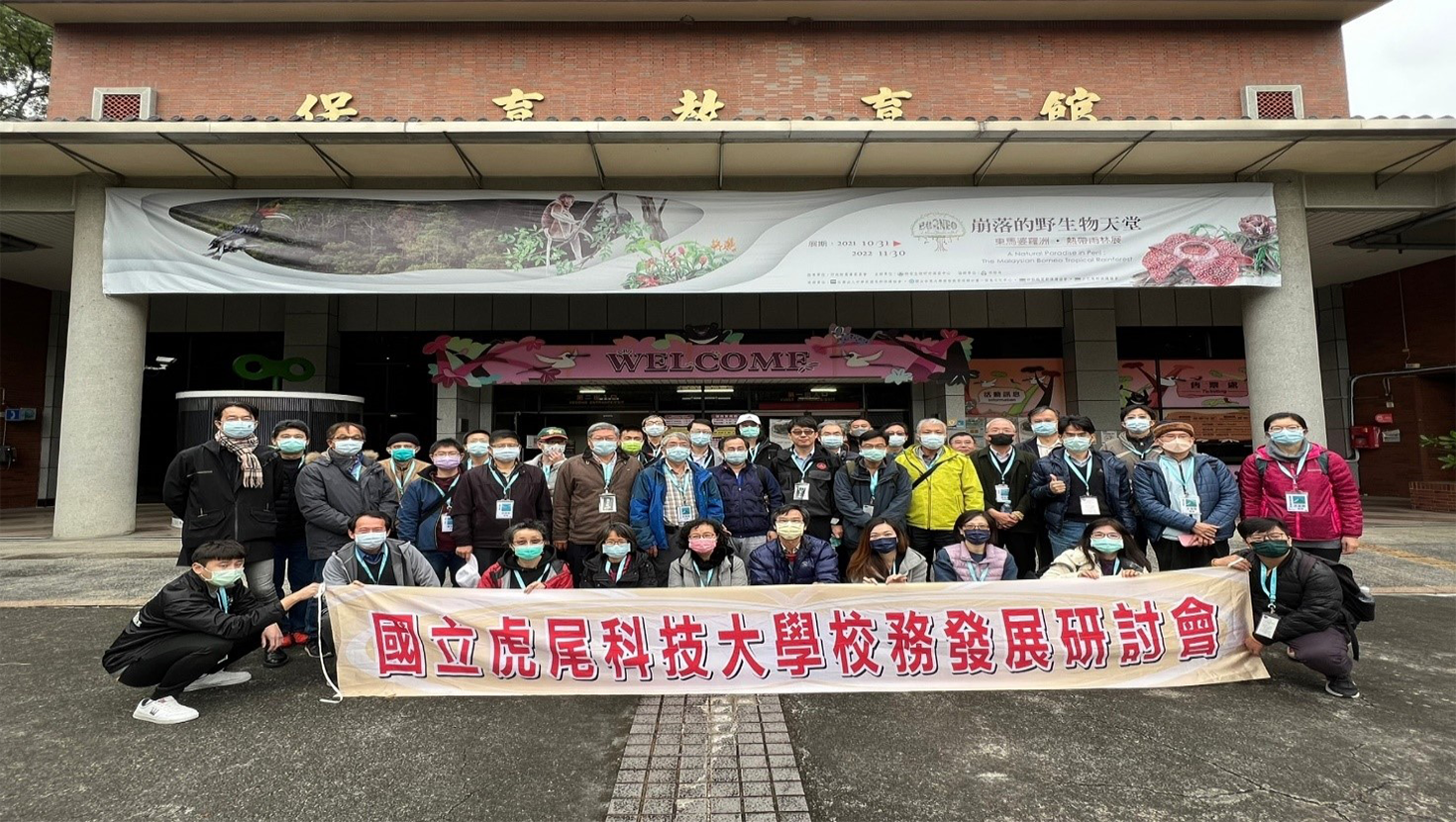
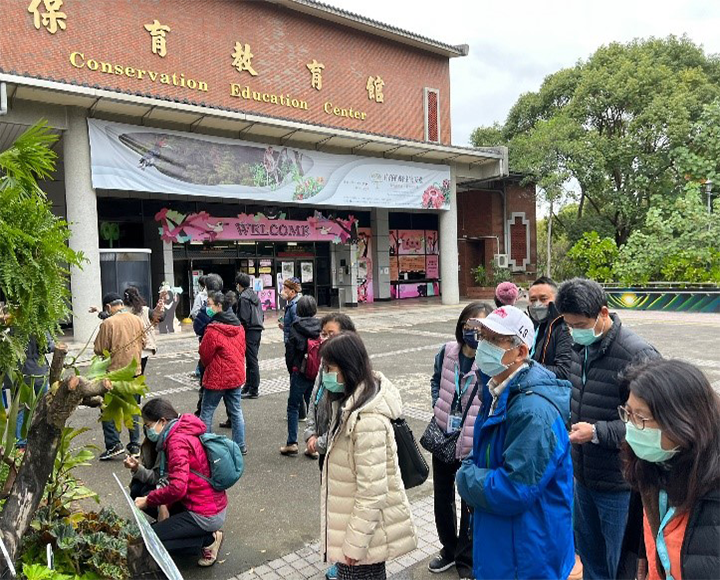
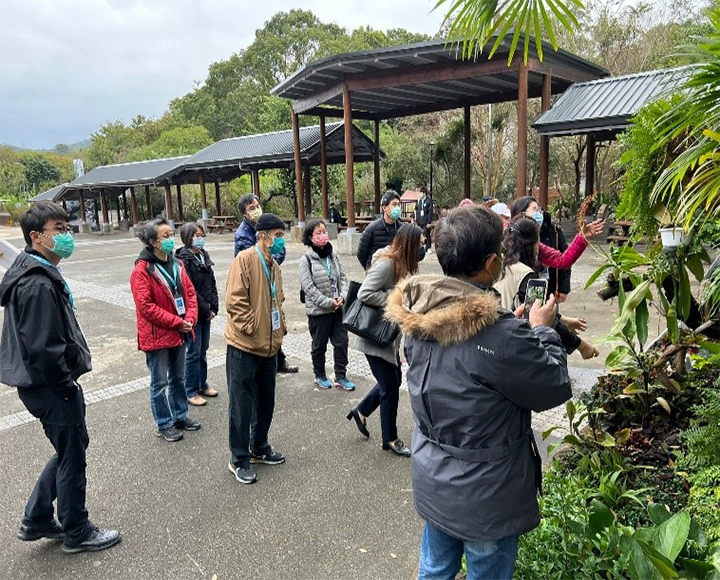
| Cultural and Leisure Education Visit – Jiji Endemic Species Research and Conservation Center | |
 |
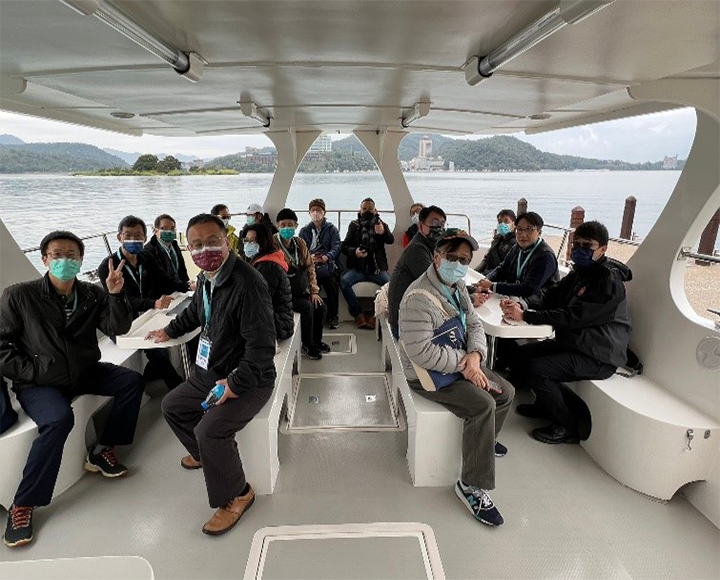 |
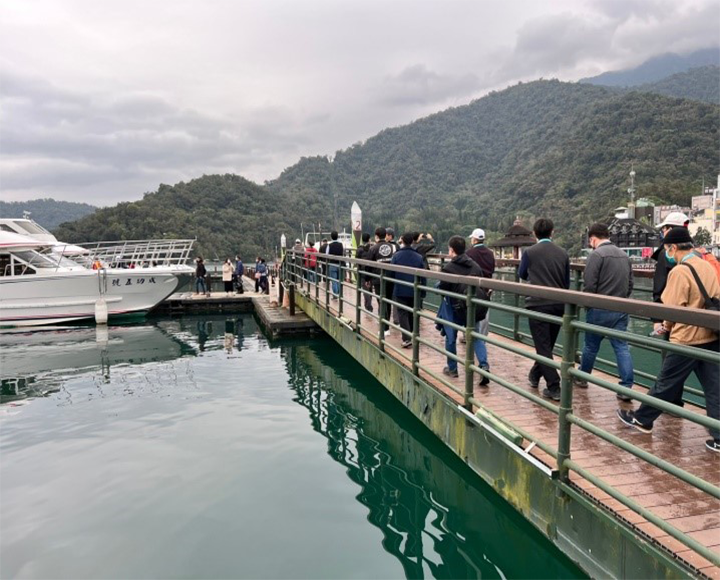
| Aboriginal Settlement Tourism Industry Observation and Environmental Ecology Education – Sun Moon Lake | |
|
|
|
|
 |
 |
 |
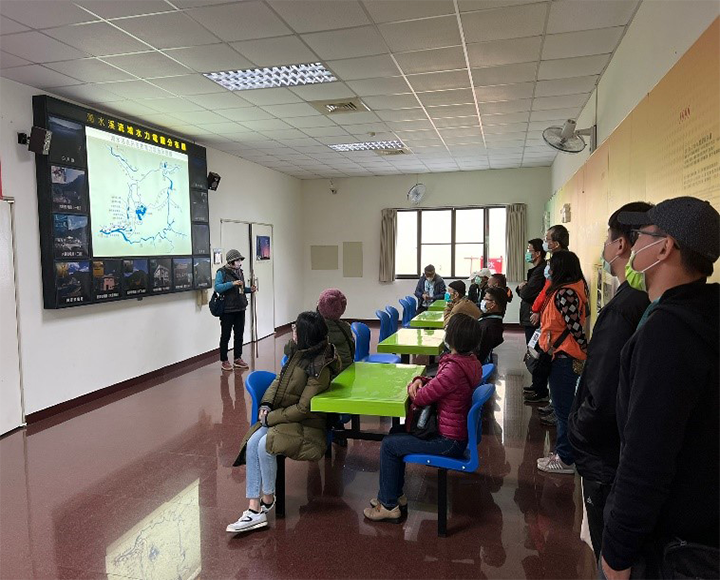 |
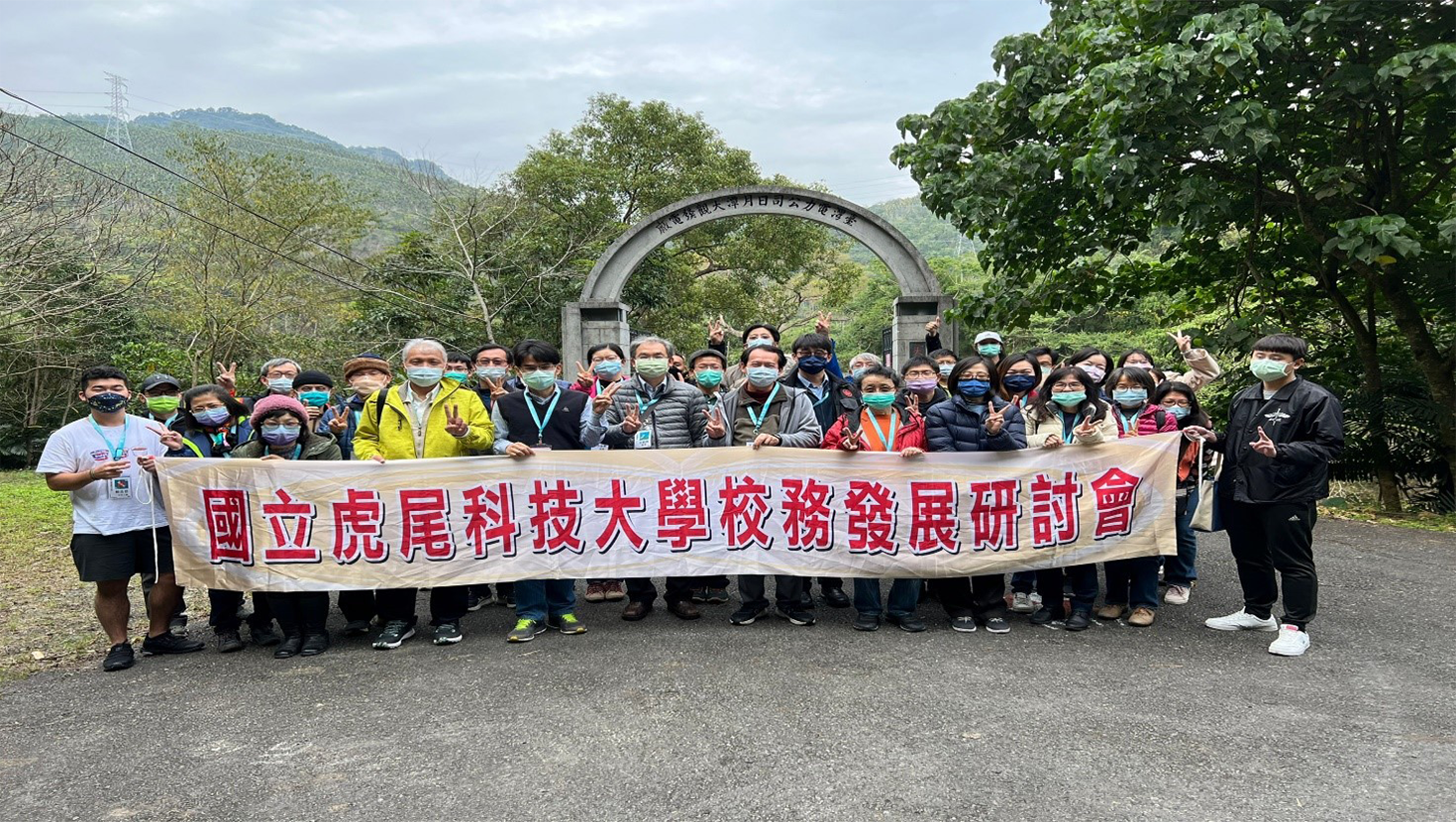
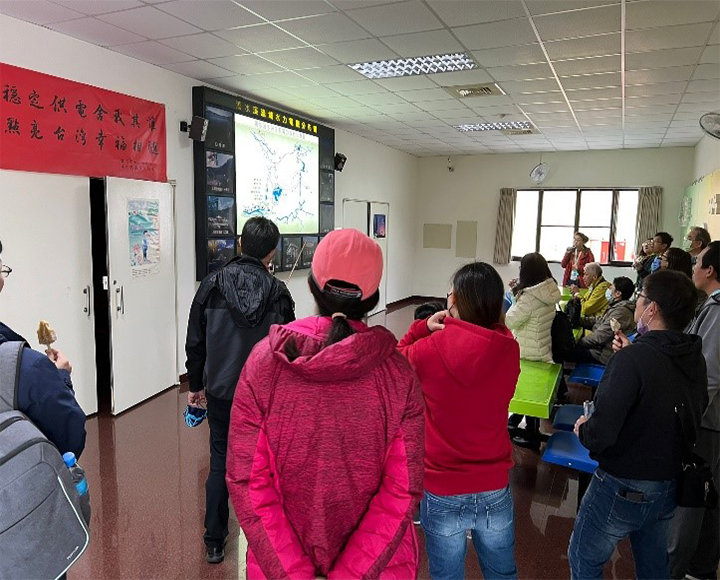
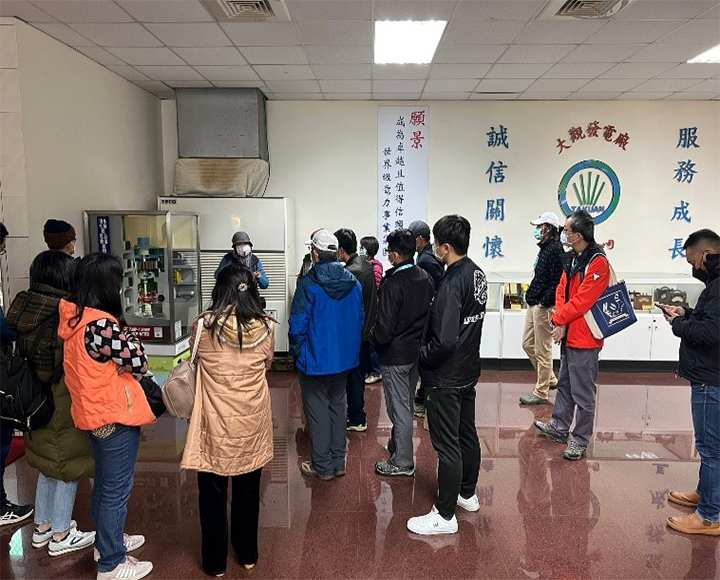
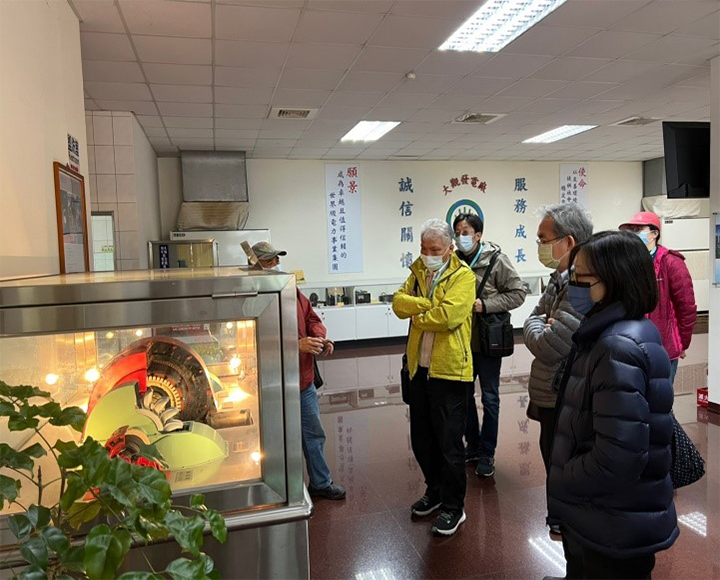
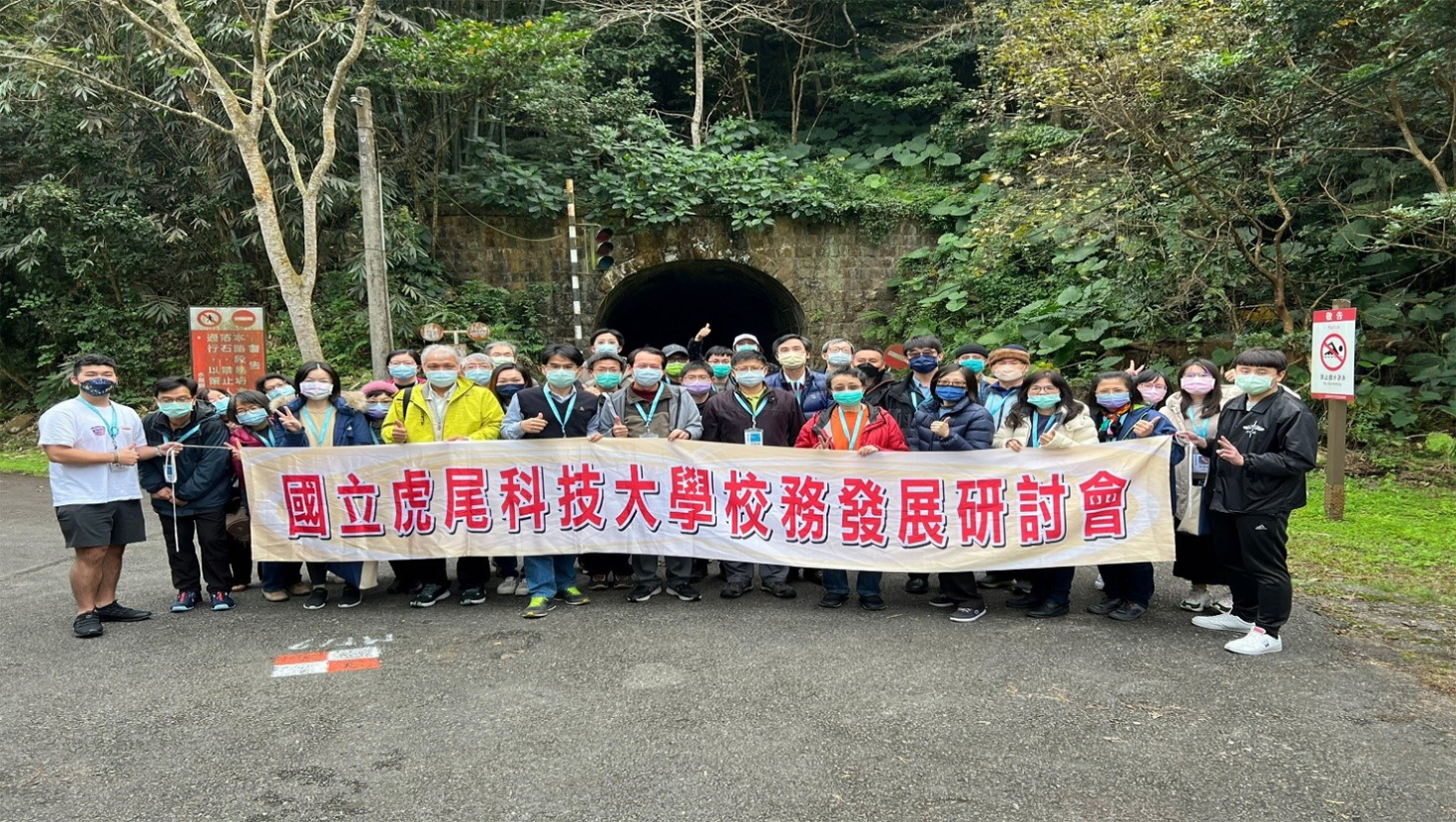
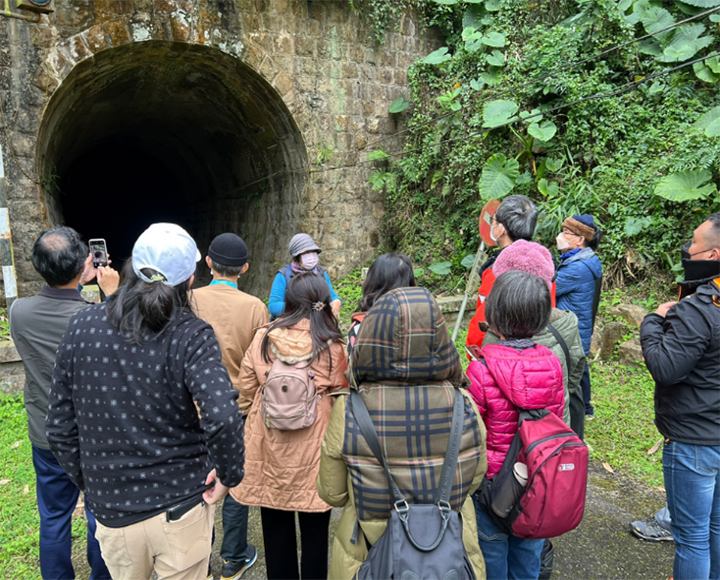
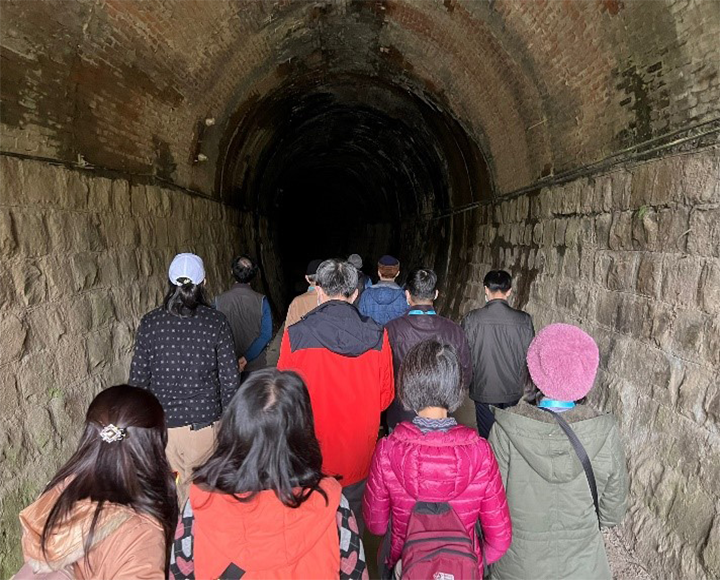
| Cultural and Leisure Education Visit – Daguan Hydroelectric Secret Spot | |
|
|
 |
 |
 |
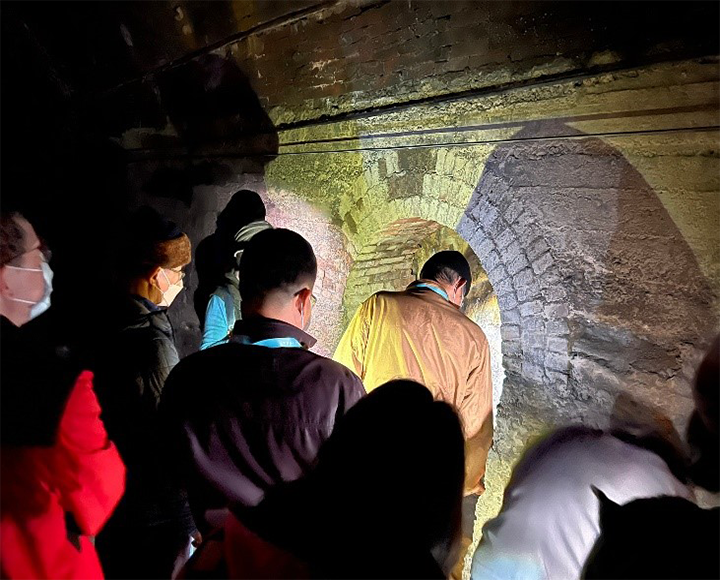 |
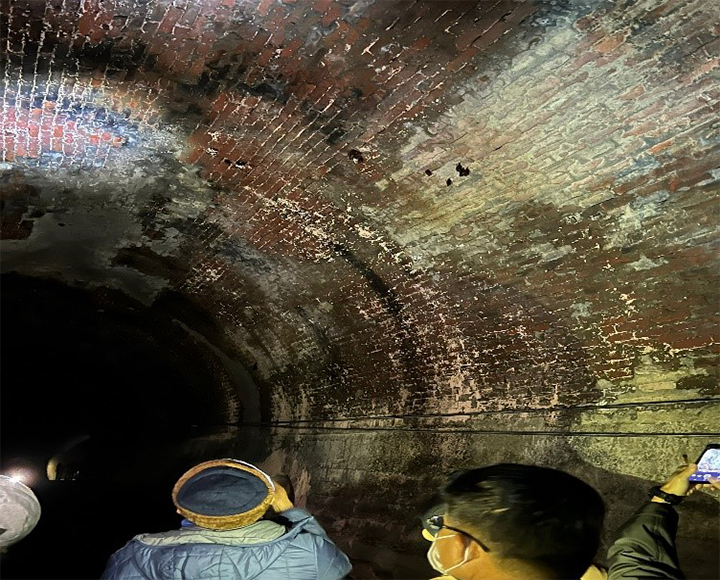
| Cultural and Leisure Education Visit – Ancient Tunnel Waterway Bridge | |
|
|
 |
 |
 |
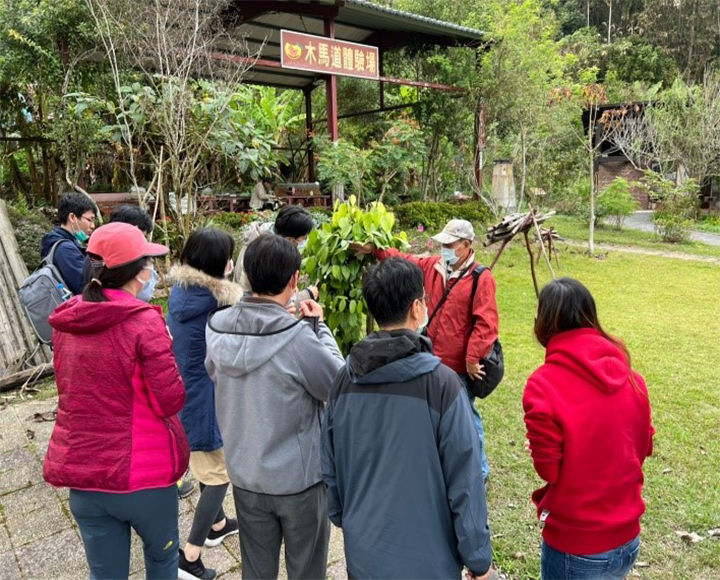 |
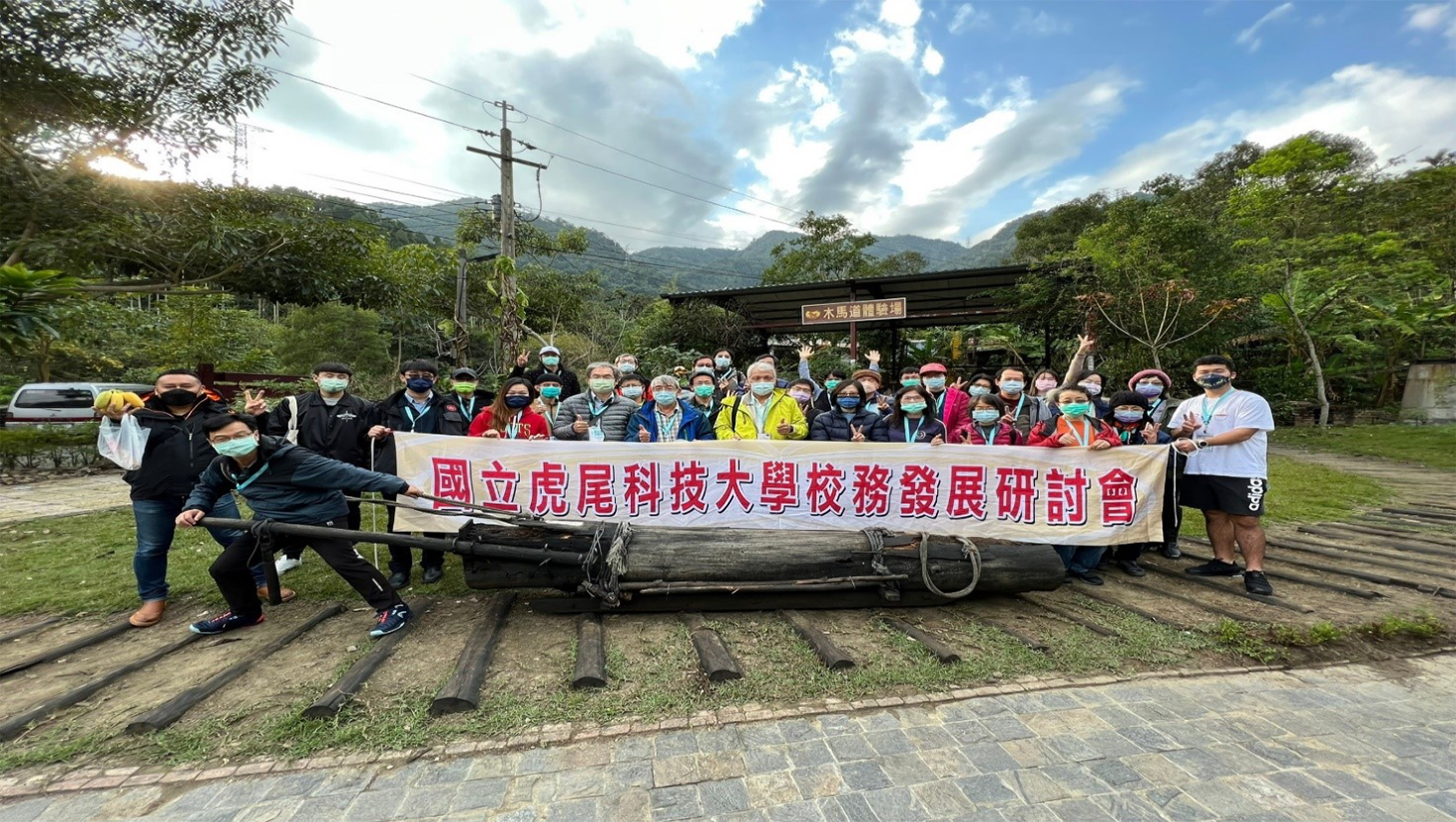
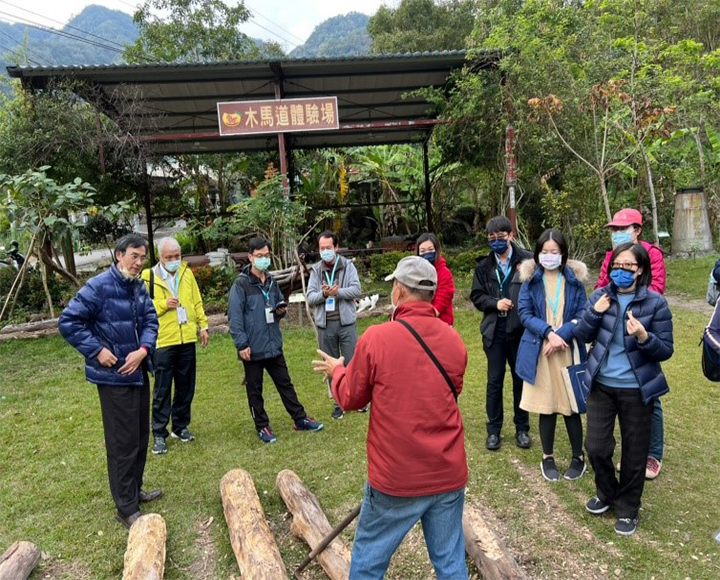
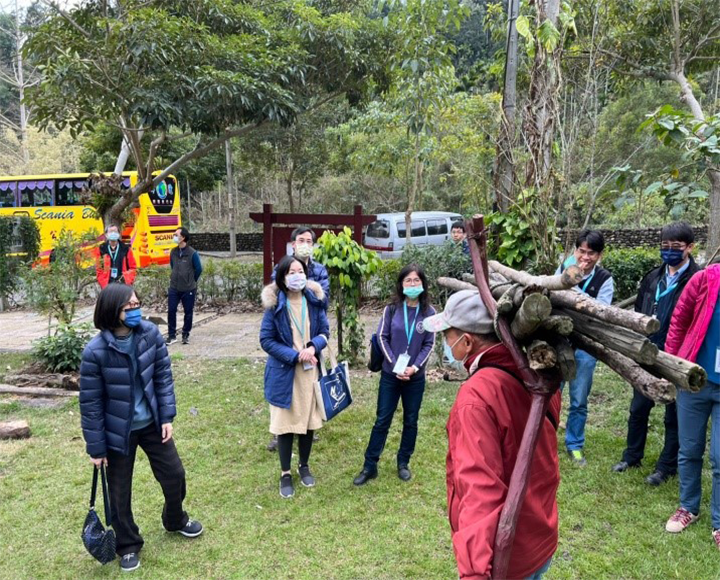
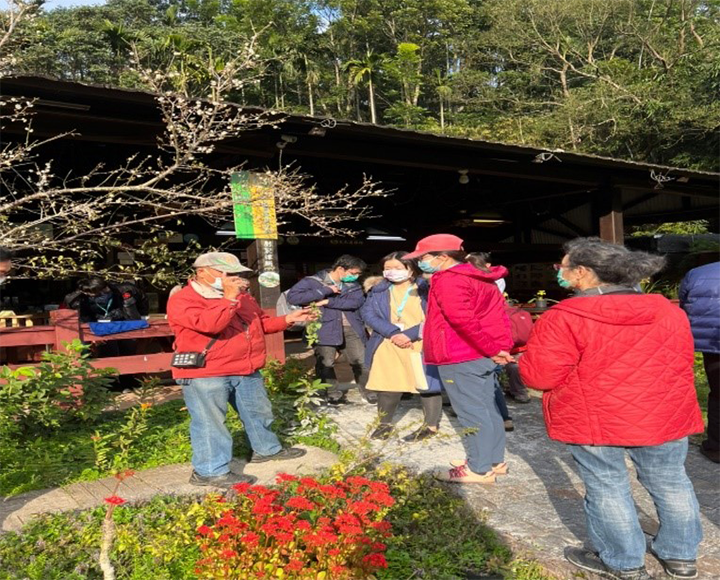
| Cultural and Leisure Education Visit – Checheng Wooden Horse Trail | |