2020 Development Seminar
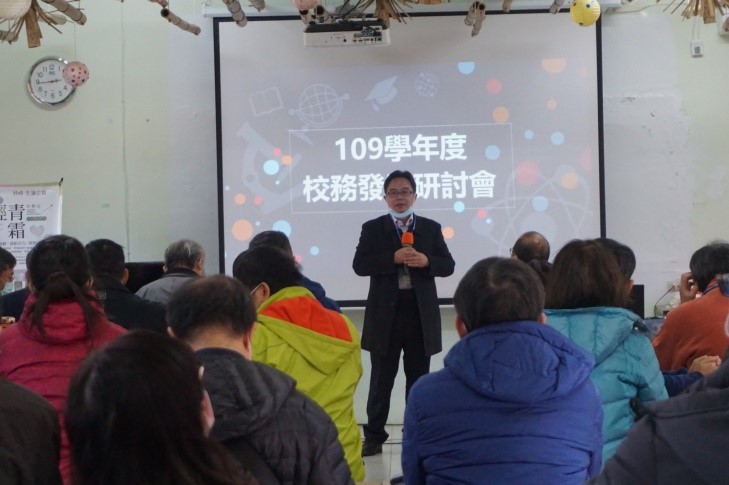
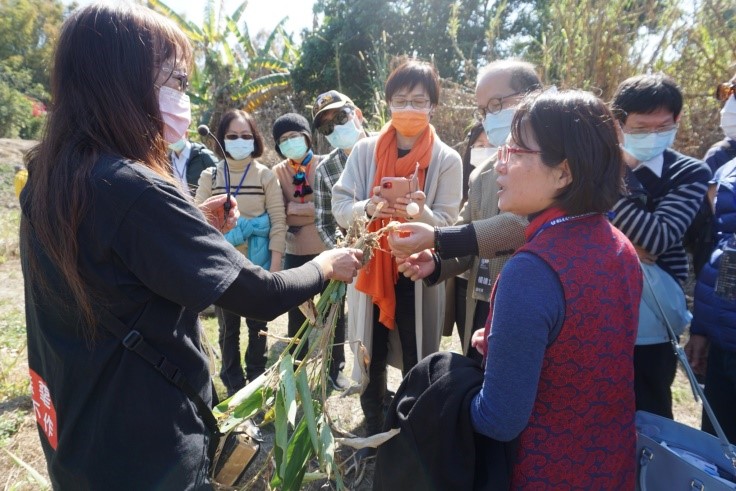
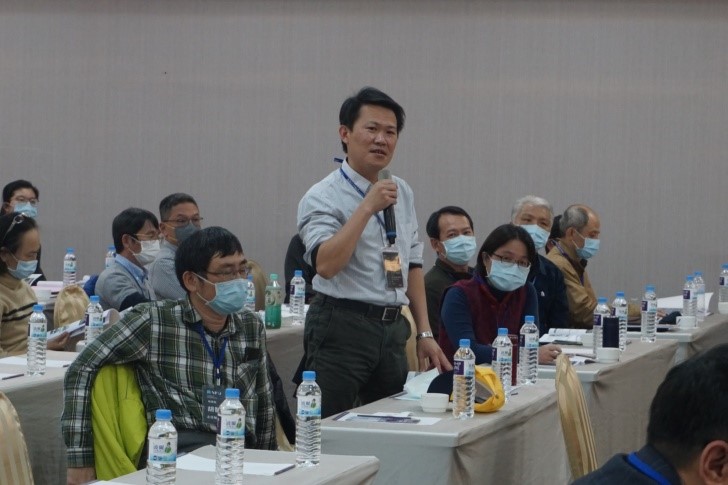
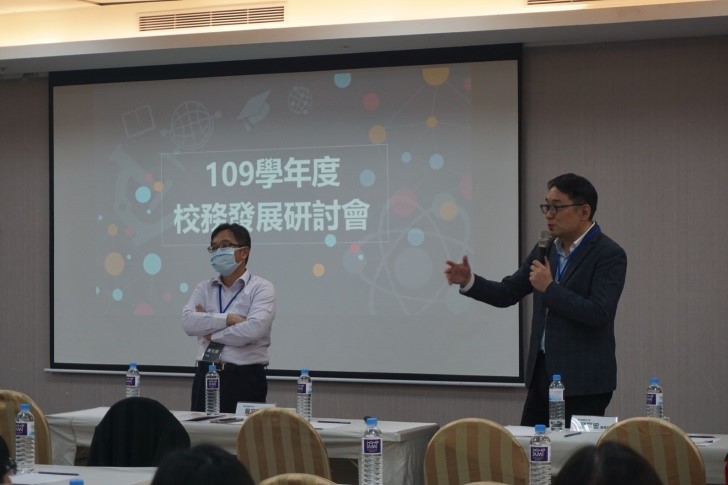
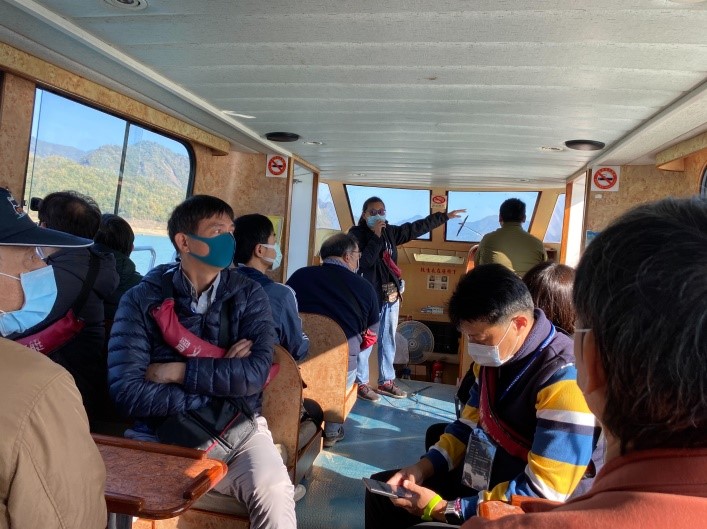
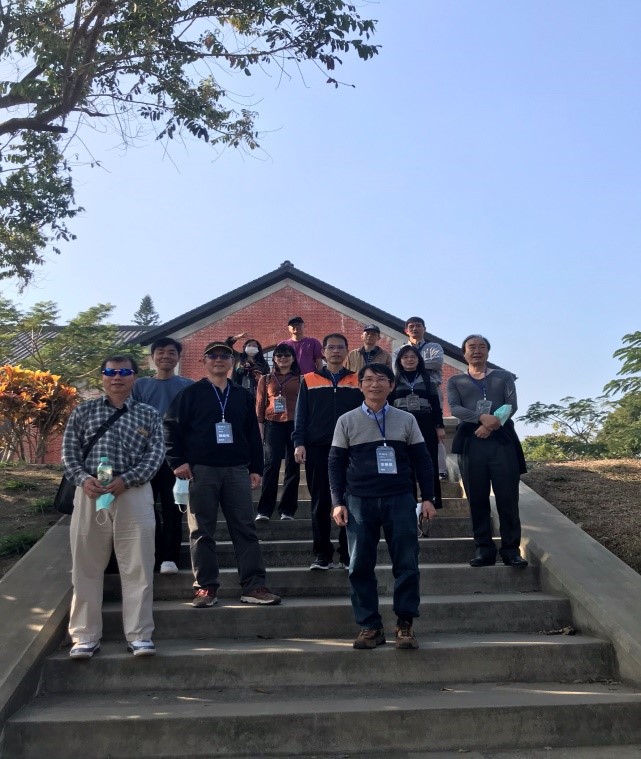
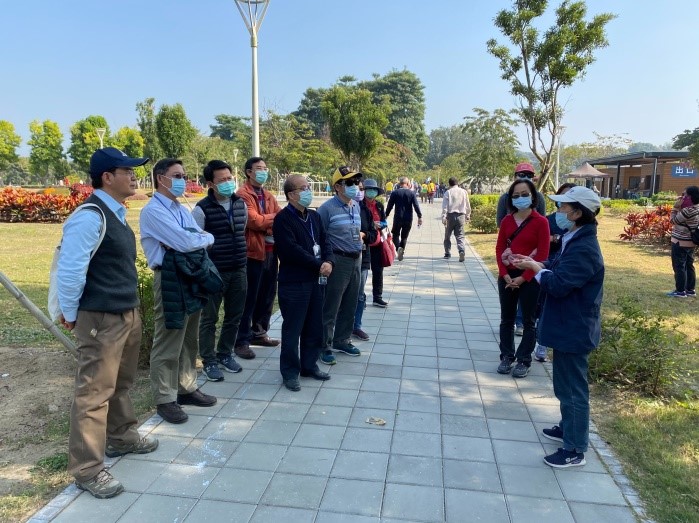
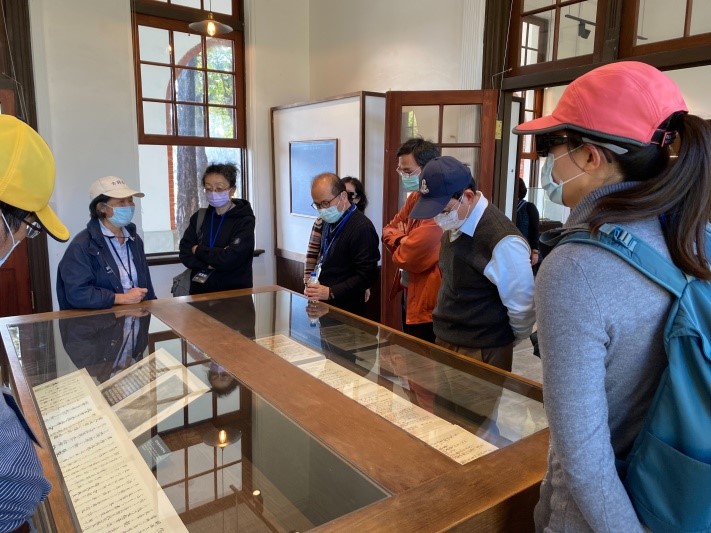
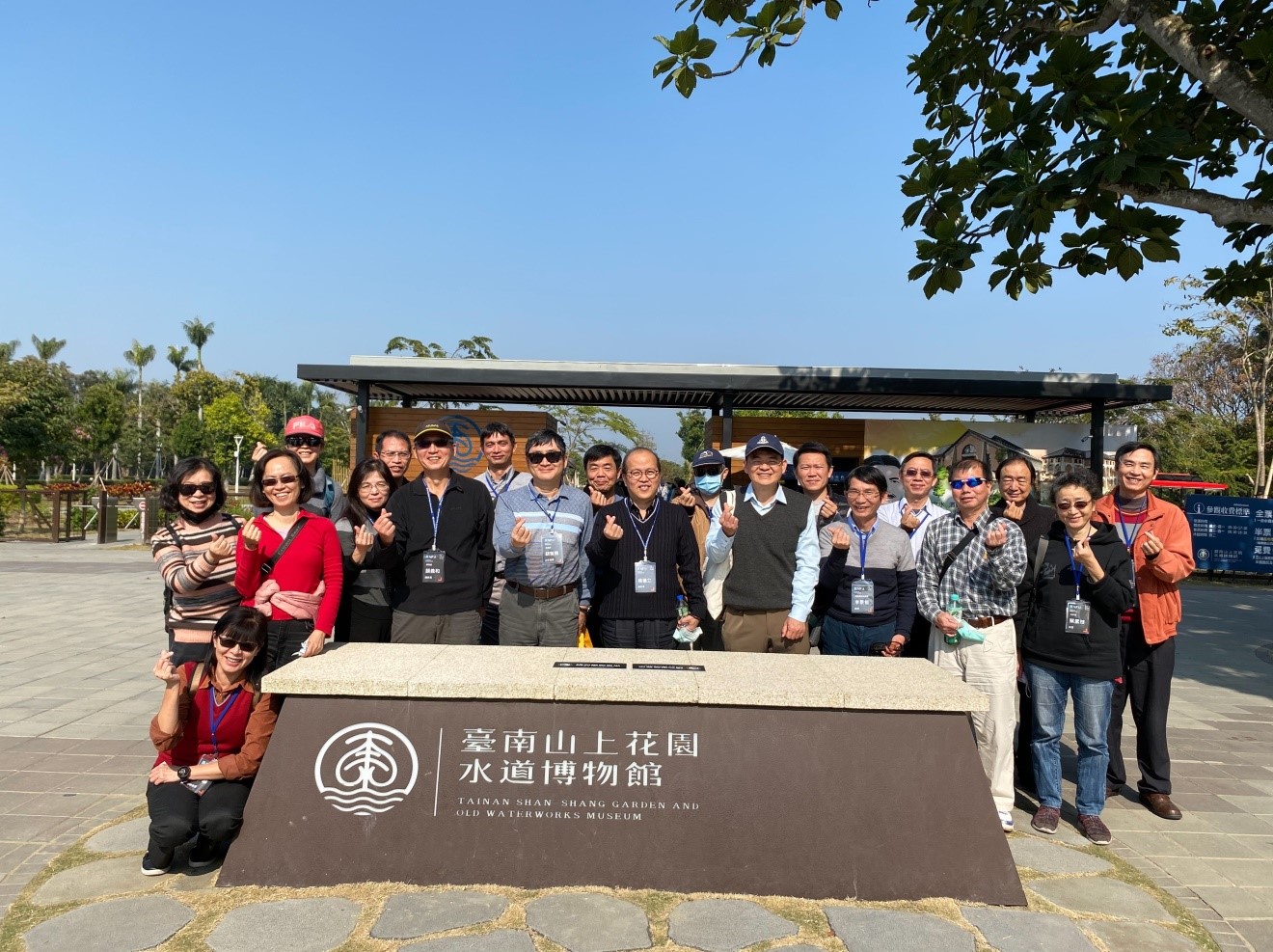
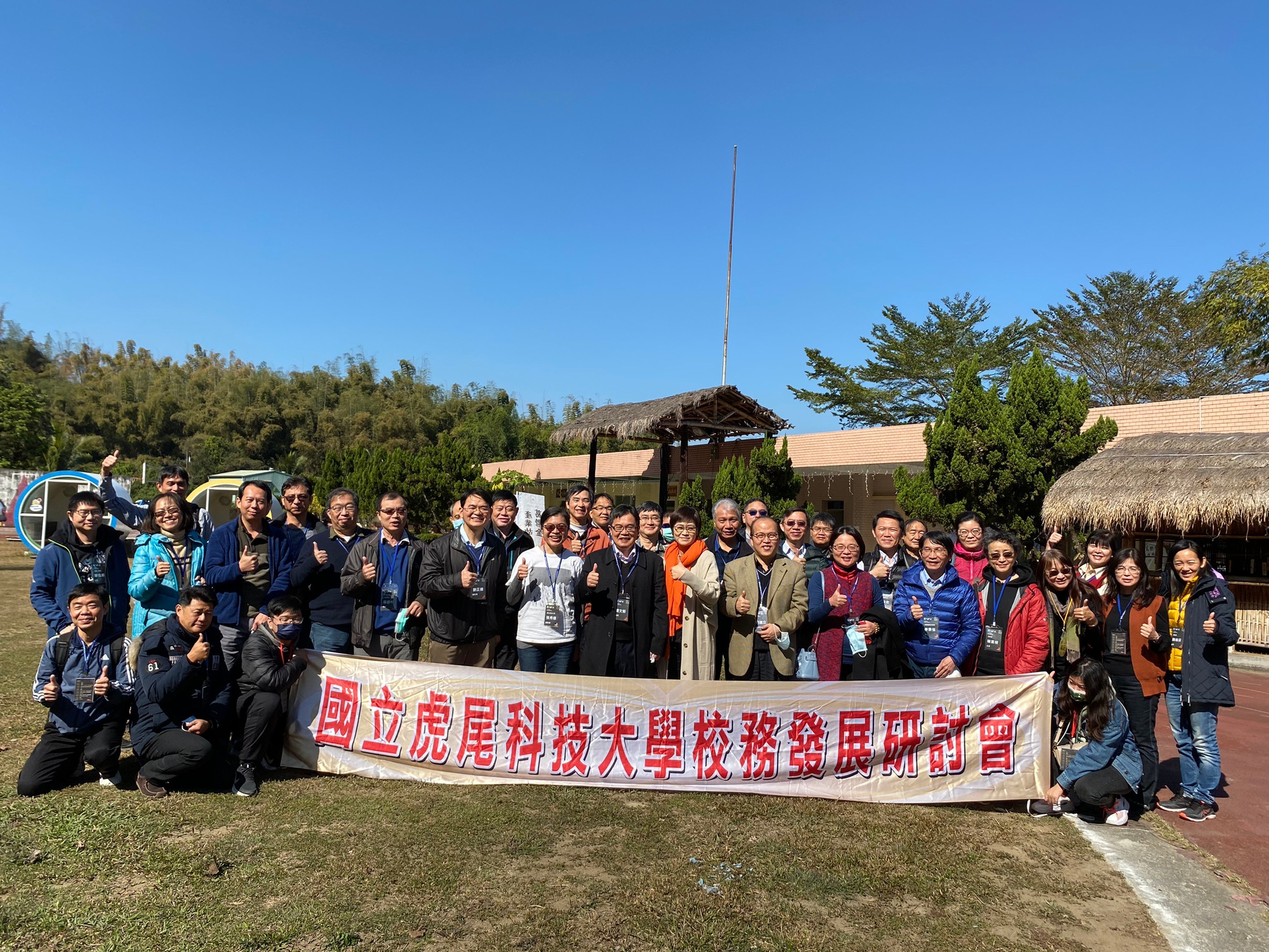
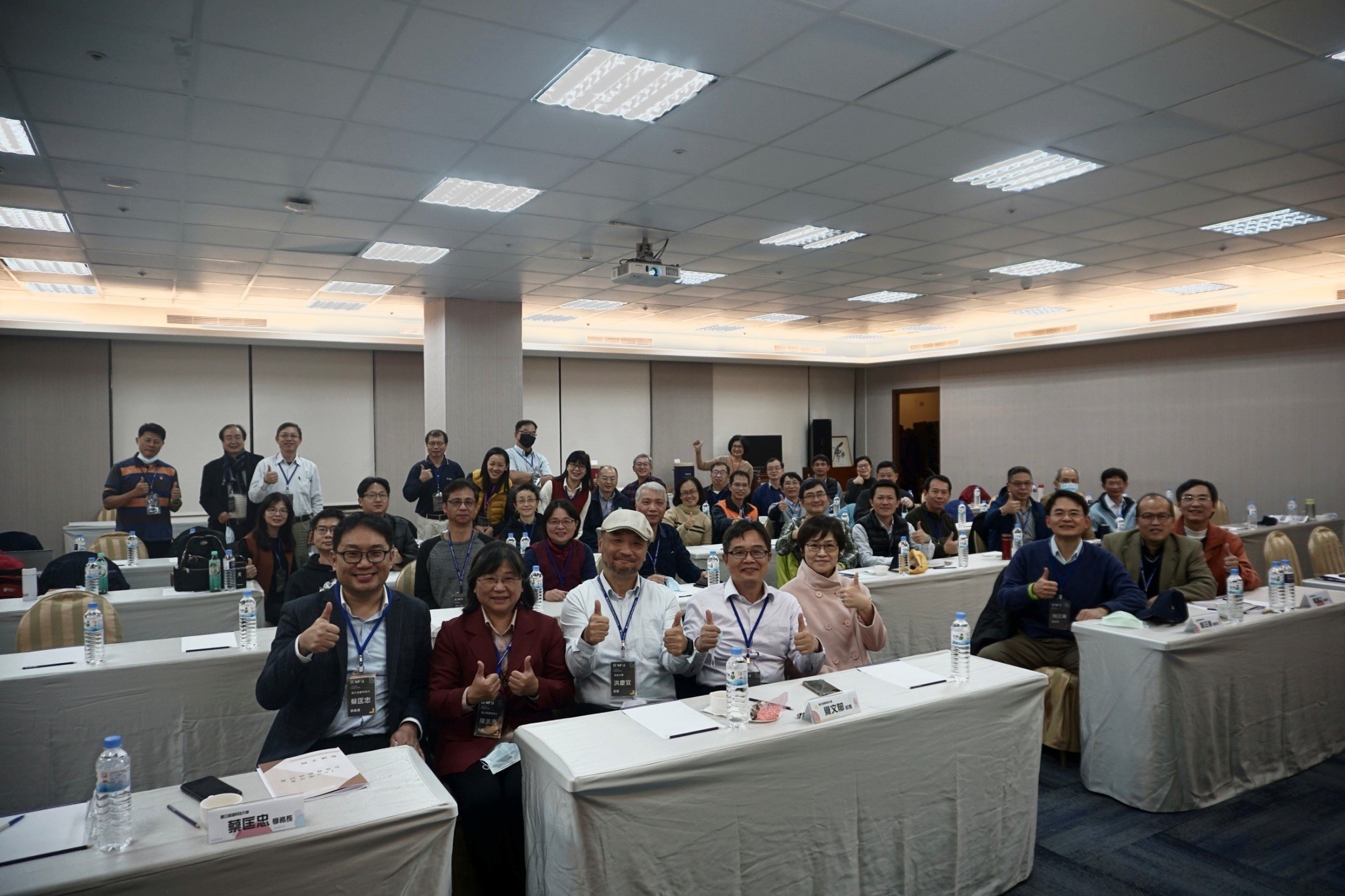
The 109th Academic Year University Development Seminar of our school was successfully held on January 14–15, 110, in Tainan. The theme of this seminar was "University Social Responsibility Practice and Community Development Site Visits." Led by the President, colleagues from our university participated, and several experts with extensive USR implementation experience were invited to deliver lectures and exchange insights with our staff.
|
|
|
|
|
Group Photo |
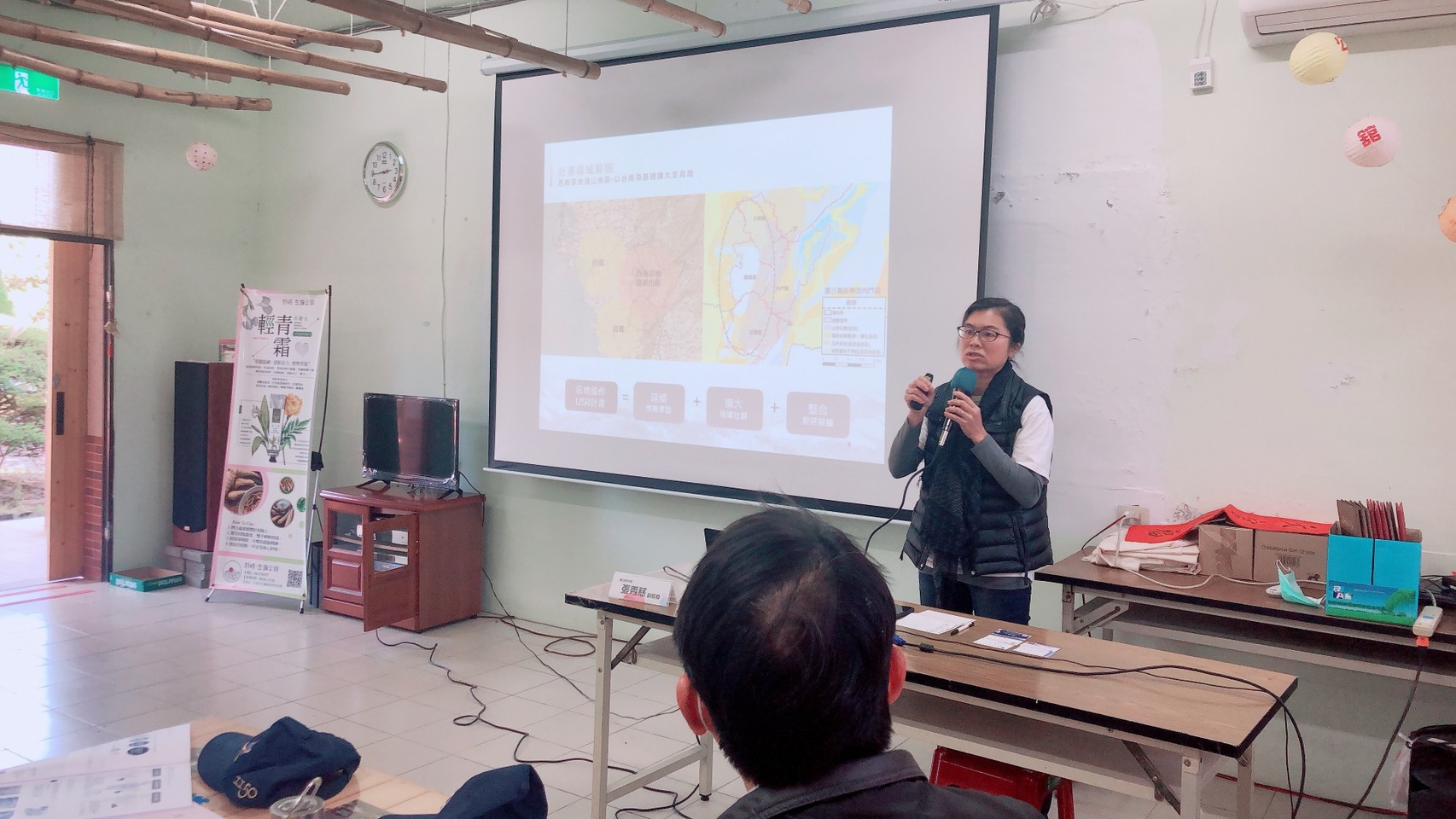
The first speaker was Associate Professor Hsiu-Tzu Chang from National Cheng Kung University. She shared her experiences working in the shallow mountainous areas of southwestern Taiwan. These areas, being close to urban centers and serving as gateways into the mountains, play a key role in urban-rural sustainable development and land use planning. However, they often face neglect in balancing industrial development and environmental conservation. In particular, these areas face three major challenges: young adult outmigration leading to aging populations, regulatory restrictions on water protection zones, and poor soil quality that slows crop growth. Therefore, how to sustain Satoyama industries and culture becomes a critical issue. In this project, design, technology, and information were used to enhance the potential of these challenging lands. Three main goals were set: new experiences, new industries, and new information. Through cross-regional and interdisciplinary collaboration, the project creates new industrial possibilities in shallow mountainous areas, establishing a learning ecosystem that connects universities and local communities, cultivating local talent, and creating model sites for USR practice in these regions.
|
|
|
|
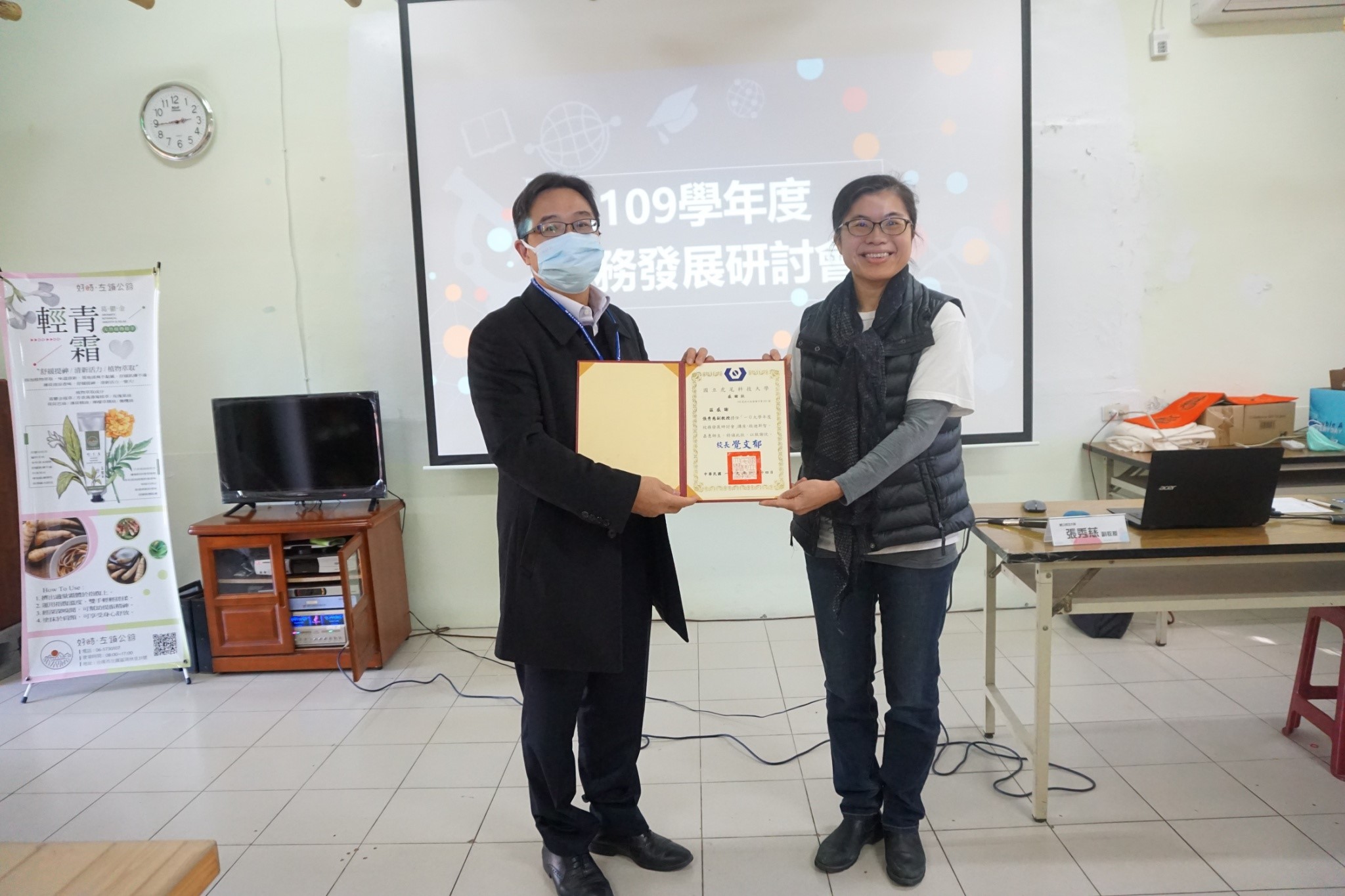
Presentation of Appreciation to Professor Hsiu-Tzu Chang |
Professor Hsiu-Tzu Chang delivering her lecture |
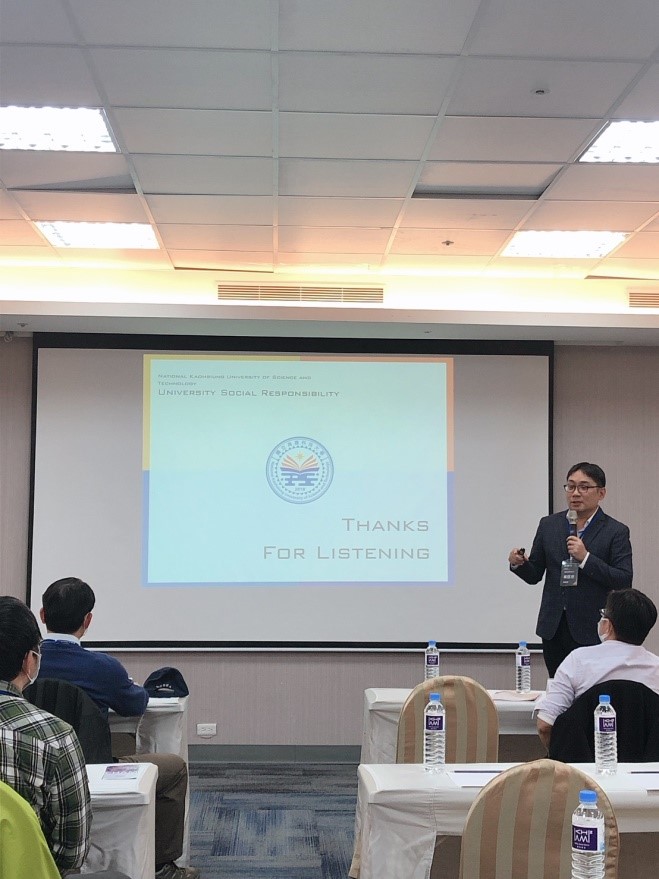
The second speaker was Dean Kuang-Chung Tsai from National Kaohsiung University of Science and Technology. He shared strategies for promoting USR at his university: 1) Integrating internal resources and developing an overall USR development blueprint; 2) Leading the nation by implementing pilot USR programs; 3) Activating administrative support measures to encourage faculty and project staff; 4) Promoting course development support systems; 5) Preparing and selecting project applications. These strategies have brought many highlights to the university, such as developing the first Yan-Chao agricultural processing brand and enhancing local agricultural development. Besides continuing USR efforts, the university strengthens local connections, cultivates talent, and integrates the global Sustainable Development Goals (SDGs) framework. Through a “win-win” approach, resources are mobilized to implement USR locally and align with global sustainability objectives.
|
|
|
|
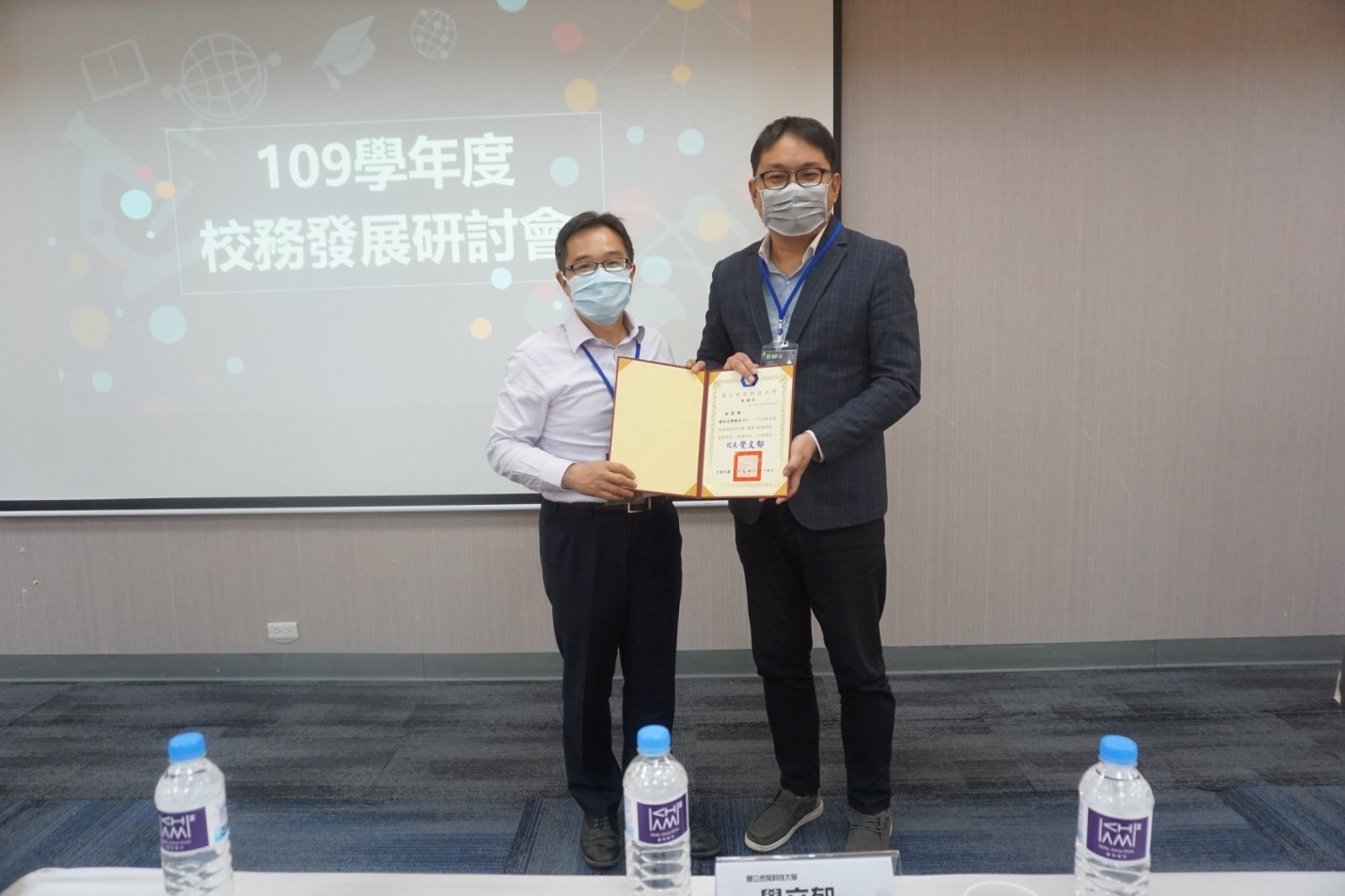
Presentation of Appreciation to Dean Kuang-Chung Tsai |
Dean Kuang-Chung Tsai delivering his lecture |
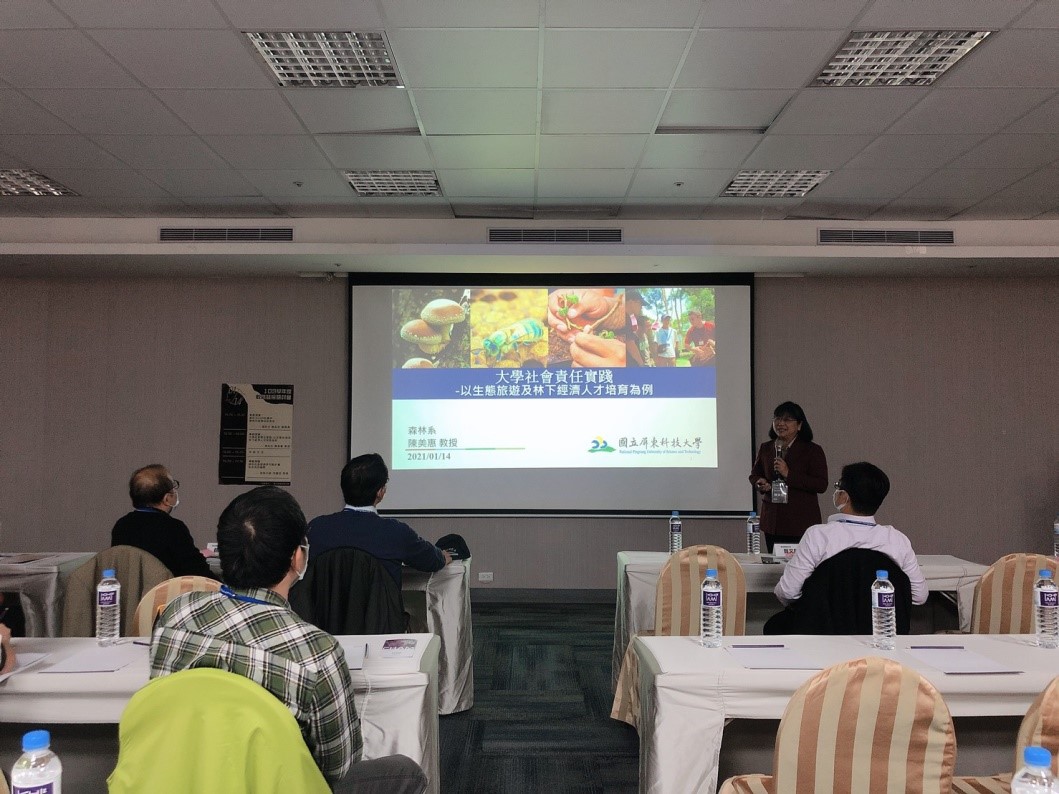
The third speaker was Professor Mei-Hui Chen from National Pingtung University of Science and Technology. She emphasized parallel strategies of eco-tourism and under-forest economy. She introduced professional forest ecological management models and spent long periods in local communities, bridging communication among government departments, NGOs, and residents. From managing conflicts to fostering cooperative partnerships, her work has earned the trust and appreciation of many community groups. In the under-forest economy, she promotes sustainable farming practices such as forest chicken farming, forest beekeeping, bag-cultivated mushrooms, and log-cultivated shiitake mushrooms. Additionally, she integrates eco-tourism, establishing tribal ecological tourism services and promoting eco-tourism routes in Wutai, balancing ecology while generating economic value and conserving Satoyama capital.
|
|
|
|
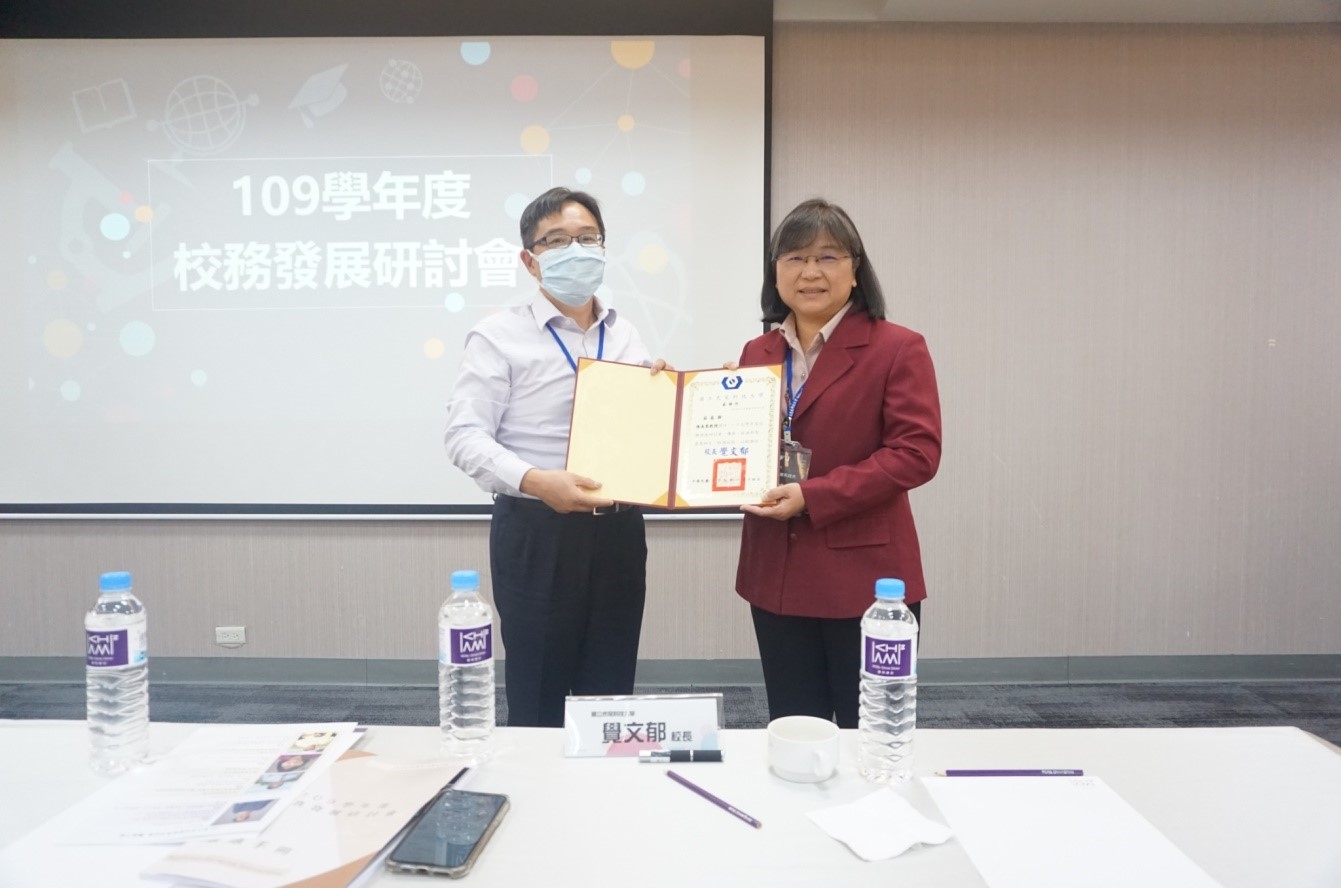
Presentation of Appreciation to Professor Mei-Hui Chen |
Professor Mei-Hui Chen delivering her lecture |
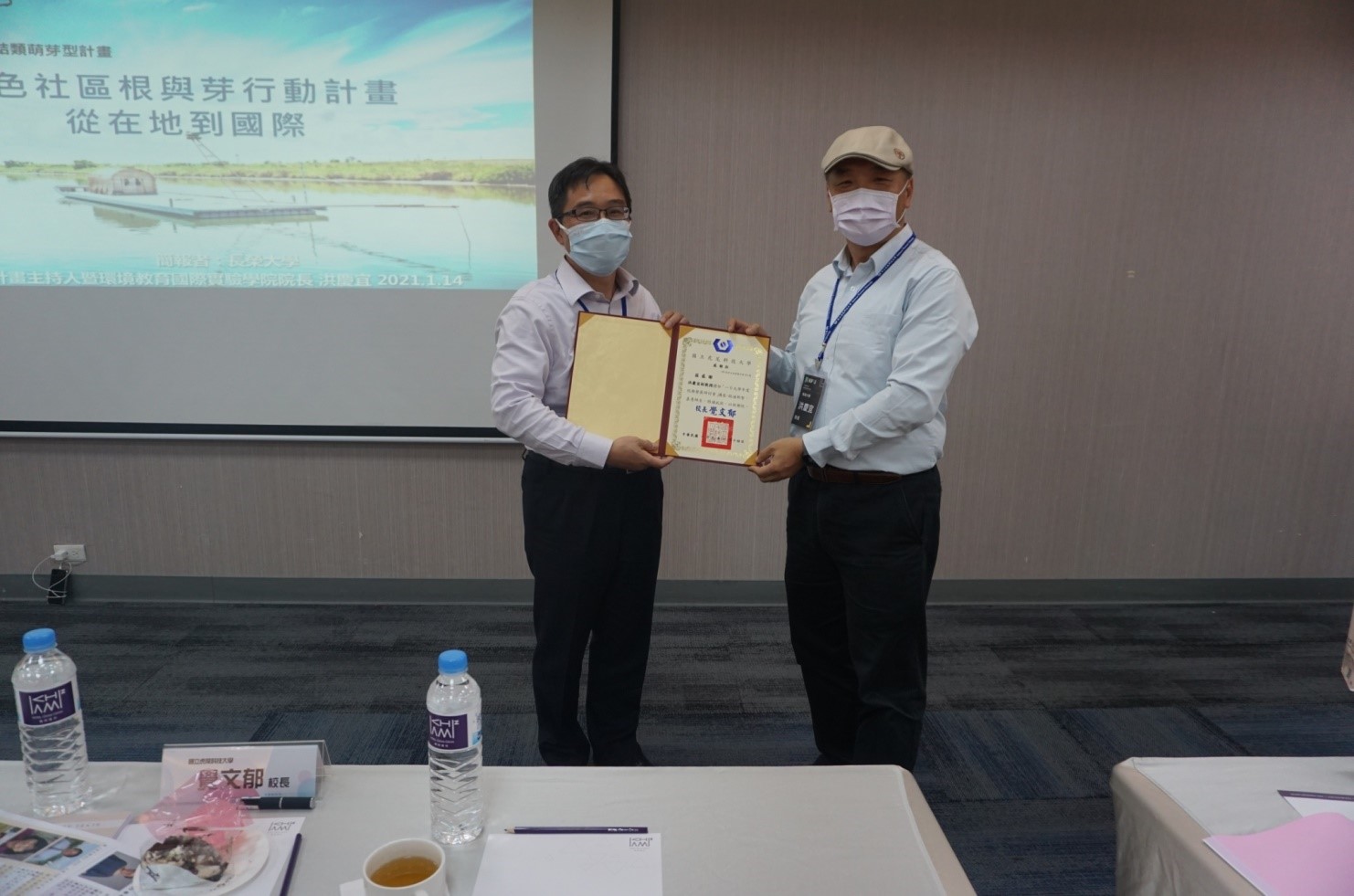
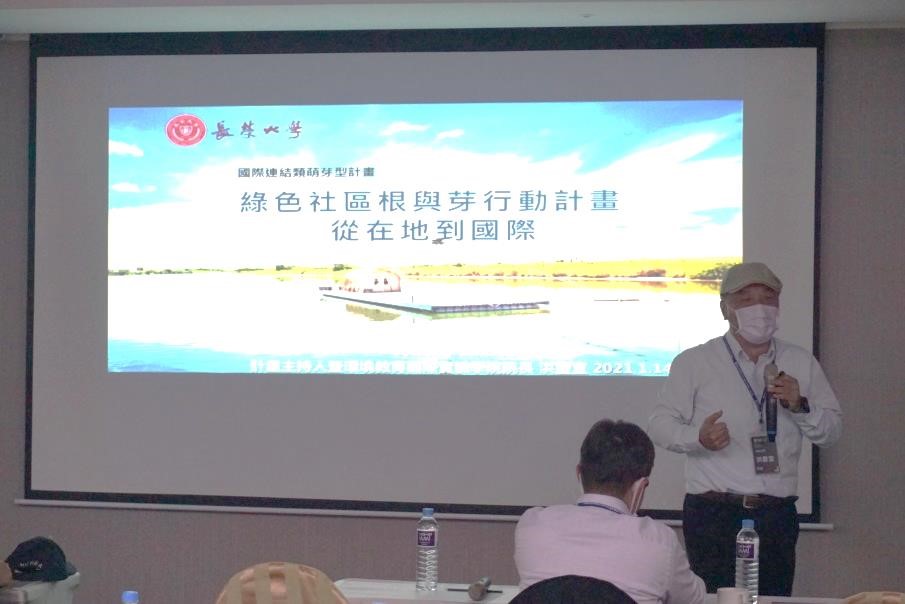
The fourth speaker was Dean Ching-Yi Hung from Chang Jung Christian University. The university has long been committed to environmental education and conservation. Early on, it invested in the rehabilitation of the Erh-Jen River and organized voluntary river patrols, cleanups, wetland restoration, environmental education, and water quality monitoring with students, faculty, and local residents. In recent years, the university established the “Green Dawulun Community Promotion Office” as a community hub. Using action learning, the university promotes green energy and environmental awareness in the community. Students engage in problem-based learning (PBL), discussing and observing local environmental quality, industrial development, population structure, and urban-rural education issues. This approach develops students’ problem-solving skills, integrates general and professional courses, and implements on-campus and off-campus actions, creating green model communities and empowering the community to take initiative in sustainable change.
|
|
|
|
Presentation of Appreciation to Dean Ching-Yi Hung |
Dean Ching-Yi Hung delivering his lecture |
From this seminar, we observed that other universities implementing USR also start with local needs. Through humanistic care, they address regional problems, identifying pain points via teachers and students, and integrate relevant knowledge, technology, and resources to develop the most effective solutions. This approach not only fosters the region’s unique characteristics but also strengthens local connections, promotes innovative knowledge applications, and revitalizes communities. We also learned that universities have significant social responsibilities, and with existing resources, we should support urban-rural educational development and contribute to local communities. This seminar inspires participants to generate more diverse ideas for USR implementation.
|
|
|
|
|
|
|
|
|
|
|
|
|
|
|
|
|
|
||
|
Event Photos |
||